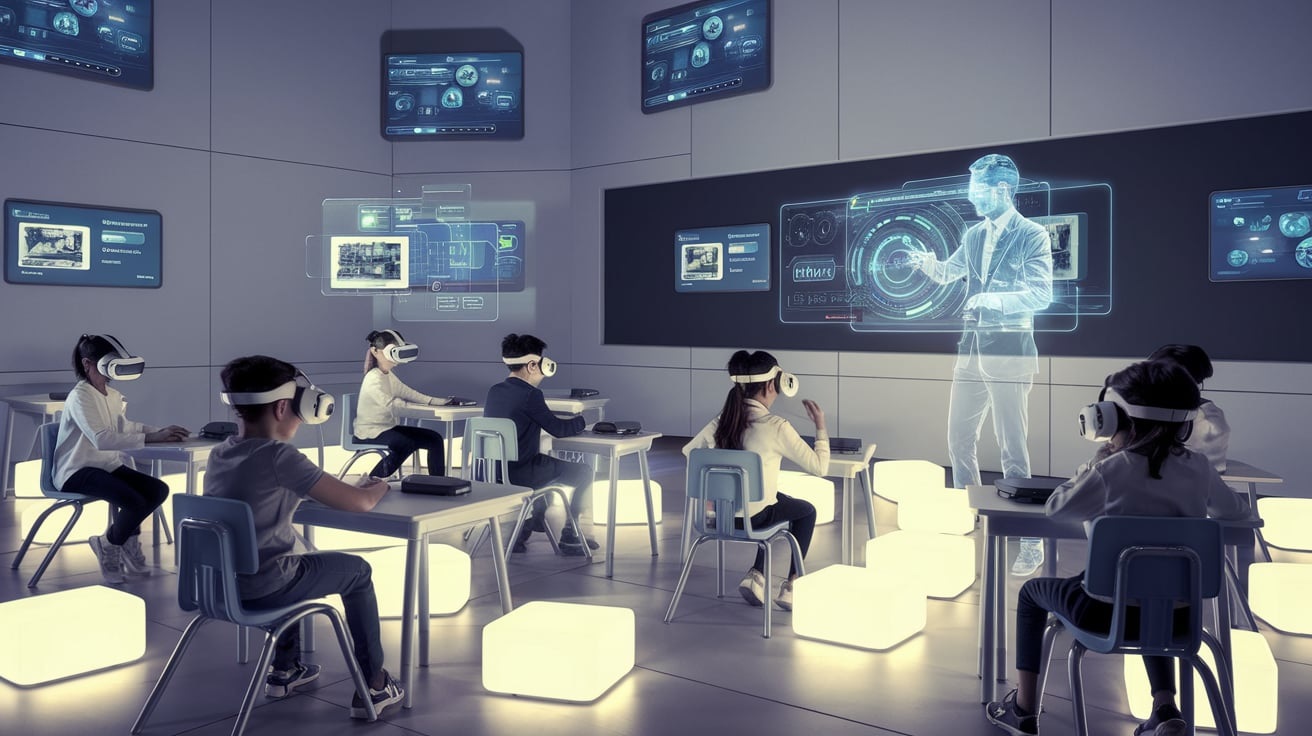
Education has always changed with society, but the pace of change has increased significantly in recent years. Classrooms are no longer limited to books, blackboards, and face-to-face lectures. Students can now access lessons, research materials, online courses, and educational communities from almost anywhere.
Technology is not replacing traditional education. Instead, it is giving teachers and students new ways to communicate, explore ideas, and develop useful skills. As technology continues to improve, education is likely to become more flexible, accessible, and personalized.
Learning Beyond the Classroom
One of the biggest changes brought by technology is the ability to learn outside a traditional classroom. Students can watch lectures, read digital books, complete assignments, and participate in discussions from home.
This flexibility can be especially useful for students who live far from educational institutions or have other responsibilities. Online learning also allows students to review difficult topics at their own pace. A lesson that may be difficult to understand during a classroom session can be replayed or studied again later.
However, successful online learning still requires discipline. Students need to manage their time, stay organized, and actively participate in their studies.
Personalized Learning Experiences
Every student learns differently. Some students understand concepts quickly through reading, while others benefit from videos, examples, practical activities, or discussion.
Modern educational technology can help create more personalized learning experiences. Digital platforms can provide different types of learning materials and allow students to spend more time on subjects they find challenging.
Teachers can also use digital tools to identify areas where students may need additional support. Instead of using exactly the same approach for everyone, educators can adapt their teaching methods to meet different learning needs.
The Growing Importance of Digital Skills
Education is not only about academic knowledge. Students also need practical skills that can help them succeed in a changing world.
Digital literacy has become an important part of modern education. Students increasingly need to know how to research information online, evaluate sources, communicate digitally, protect their personal information, and use technology responsibly.
These skills are useful far beyond school or university. Almost every modern workplace depends on digital communication and technology in some form.
Artificial Intelligence in Education
Artificial intelligence is another technology that is attracting significant attention in education. AI-powered tools can help students understand difficult concepts, organize information, practice writing, and explore new subjects.
For teachers, AI may assist with tasks such as creating learning activities, organizing educational materials, or identifying common areas of difficulty among students.
At the same time, AI should be used carefully. Students still need to develop their own thinking, writing, research, and problem-solving abilities. Technology works best as a learning assistant rather than a replacement for genuine effort and understanding.
Teachers Remain Essential
Despite the rapid development of educational technology, teachers remain an important part of the learning process.
A teacher does more than deliver information. Teachers encourage students, answer questions, provide feedback, explain complicated ideas, and help students develop confidence. They also understand the social and emotional aspects of learning in ways that technology cannot fully replace.
The future of education is therefore unlikely to be simply about technology replacing traditional classrooms. A more realistic future involves teachers using technology to make their work more effective while maintaining meaningful human interaction.
Making Education More Accessible
Technology also has the potential to make education available to a wider audience. Online libraries, open educational resources, recorded lectures, and digital courses can reduce some of the barriers that prevent people from accessing learning opportunities.
Students can also connect with educational communities beyond their local area. They may collaborate with people from different countries and learn about perspectives that they would not normally encounter.
Access to technology is still an important issue, however. Not every student has reliable internet access, suitable devices, or a quiet place to study. For technology to genuinely improve education, these differences need to be considered.
Preparing Students for the Future
The future job market will continue to evolve, and education needs to prepare students for change rather than only for specific careers.
Critical thinking, communication, creativity, collaboration, adaptability, and problem-solving are becoming increasingly valuable. Students who learn how to continue learning throughout their lives may be better prepared for changes in technology and the workplace.
Education should therefore focus not only on what students know today but also on their ability to learn tomorrow.
Final Thoughts
Technology is changing education, but the fundamental purpose of learning remains the same: helping people develop knowledge, skills, curiosity, and confidence.
The most effective approach is likely to combine the strengths of technology with the human qualities of education. Digital tools can make learning more flexible and accessible, while teachers provide guidance, motivation, and personal support.
As technology continues to develop, educational institutions have an opportunity to create learning environments that are more connected, flexible, and focused on the needs of individual students. The future of education will not simply be more digital—it can also be more collaborative, personalized, and accessible.
Leave a Reply