Blog

  • Why Lifelong Learning Matters in a Changing World

    Why Lifelong Learning Matters in a Changing World

    Learning does not end when a student graduates from school or university. In a world where technology, industries, and professional requirements are constantly changing, the ability to continue learning has become increasingly important.

    Lifelong learning means developing knowledge and skills throughout different stages of life. It can happen through formal education, professional training, online courses, reading, practical experience, or simply exploring new subjects out of curiosity.

    The idea is simple: education is not limited to a particular age or classroom.

    Education Beyond Traditional Classrooms

    Traditional education provides students with a strong foundation, but learning opportunities now exist in many different forms. People can take online courses, attend workshops, watch educational lectures, read digital publications, or participate in professional communities.

    This flexibility makes it easier for people to learn according to their own schedules. Someone working a full-time job, for example, can study a new subject during evenings or weekends without returning to a traditional classroom.

    Online learning has also made it possible for students to explore subjects that may not be available at their local institutions.

    Developing New Skills

    One important reason people continue learning is to develop new skills. Technology has changed the way many industries operate, creating demand for knowledge that may not have been necessary several years ago.

    Learning a new digital tool, improving communication skills, studying another language, or understanding modern business practices can help people adapt to changing professional environments.

    However, lifelong learning is not only about employment. Learning can also improve everyday problem-solving and help people understand the world around them.

    The Role of Curiosity

    Curiosity is one of the strongest foundations of lifelong learning. When people become interested in a subject, they are more likely to explore it deeply and remember what they discover.

    Students should therefore be encouraged to ask questions rather than simply memorize information. Questions can lead to research, discussion, experimentation, and new ideas.

    A curious learner may study history because they want to understand the past, learn science because they want to know how something works, or explore technology because they are interested in how modern tools are developed.

    This natural interest can make education more meaningful.

    Learning From Mistakes

    Lifelong learning also involves understanding that mistakes are part of the process. People do not always understand a new concept immediately, and practical skills often require repeated attempts.

    Instead of viewing mistakes only as failures, learners can use them as opportunities to identify what went wrong and improve their approach.

    This mindset can help students become more confident and independent. It also encourages them to continue trying when a subject becomes difficult.

    Technology and Lifelong Learning

    Digital technology has made lifelong learning more convenient than ever. Educational websites, online libraries, video lessons, digital classrooms, and learning platforms provide access to a huge amount of information.

    At the same time, having access to information does not automatically mean that everything available online is reliable. Learners need to evaluate sources carefully and distinguish credible educational material from inaccurate or misleading information.

    Learning how to research and verify information is therefore just as important as finding information itself.

    Building Better Learning Habits

    Lifelong learning does not require studying for several hours every day. Small and consistent habits can make a significant difference.

    Reading for a few minutes each day, taking notes, practicing a new skill, listening to educational discussions, or setting aside regular time for a course can gradually build knowledge.

    The key is consistency. A manageable learning routine is often easier to maintain than an ambitious schedule that becomes difficult after a few weeks.

    Education and Personal Growth

    Learning can also contribute to personal development. Studying unfamiliar subjects can introduce people to new perspectives and encourage them to think more carefully about their own ideas.

    Education can improve communication, creativity, critical thinking, and confidence. It can also encourage people to become more open to different viewpoints.

    These benefits are valuable at every stage of life, whether someone is a student, a professional, or simply interested in discovering something new.

    Final Thoughts

    Lifelong learning is becoming increasingly relevant in a rapidly changing world. Education should not be viewed as something that ends with a certificate or degree. Instead, it can become a continuous process of discovery and improvement.

    Technology has made learning more accessible, but curiosity, discipline, and critical thinking remain essential. By developing the habit of learning throughout life, people can continue gaining knowledge, adapting to change, and discovering new opportunities.

    The most valuable lesson may be that there is always something new to learn.
  • The Importance of Reading in Student Education

    The Importance of Reading in Student Education

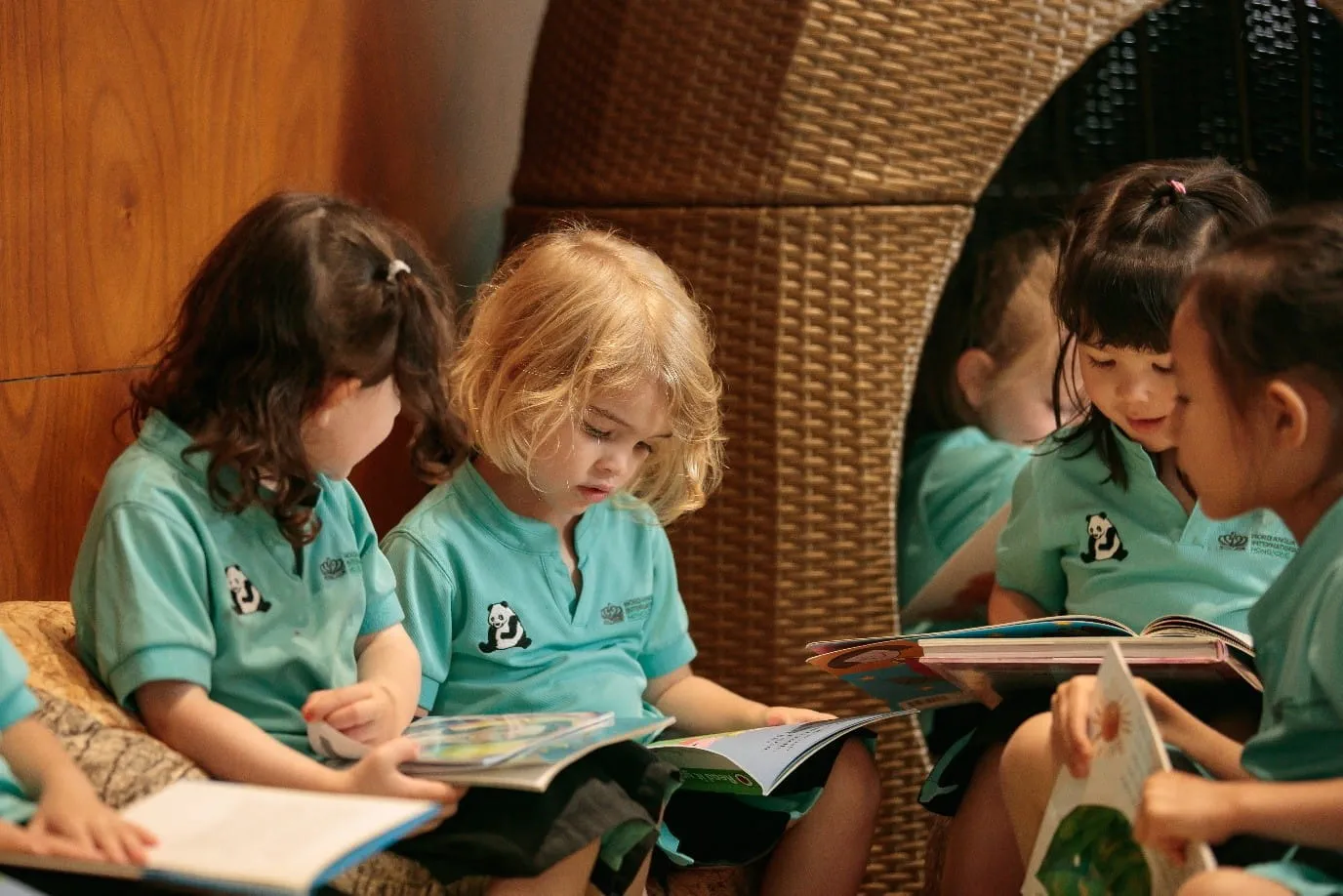
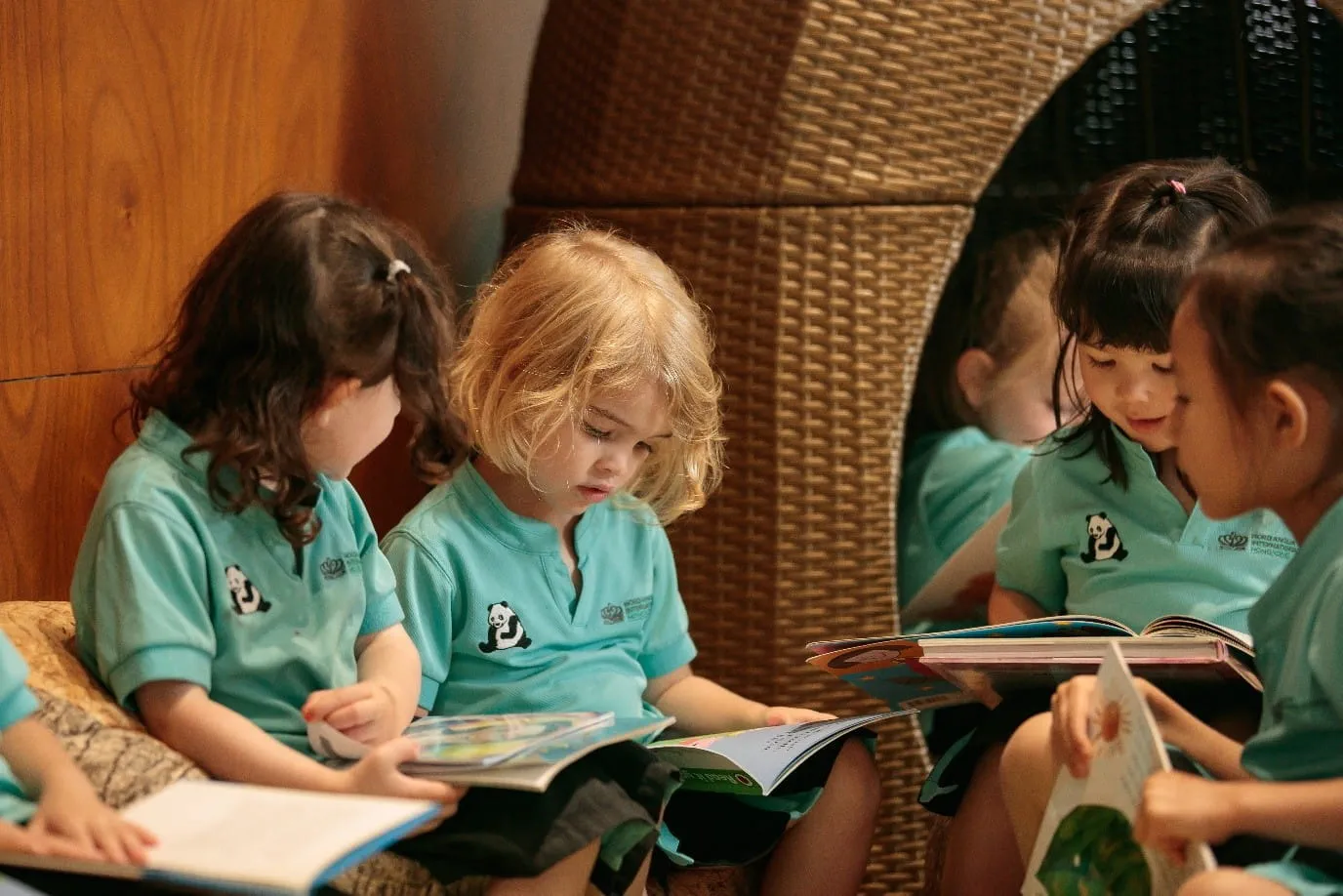
    Reading is one of the most important skills students develop during their education. It helps people understand information, communicate ideas, explore different subjects, and develop a deeper interest in the world around them.

    Although students now have access to videos, interactive platforms, and digital learning tools, reading remains an essential part of education. Books, research papers, articles, and other written resources can provide detailed information that students can return to whenever they need it.

    Developing a regular reading habit can therefore support students both inside and outside the classroom.

    Reading Improves Understanding

    Students encounter written information in almost every subject. From science and mathematics to history and literature, the ability to understand written instructions and explanations is essential.

    Regular reading gives students more opportunities to practice understanding complex ideas. Over time, they can become more comfortable with unfamiliar words, longer explanations, and different writing styles.

    This can make it easier for them to understand textbooks, assignments, research materials, and examination questions.

    Building a Strong Vocabulary

    Reading is also an effective way to develop vocabulary. Students naturally encounter new words when they read books and articles from different subjects.

    Instead of memorizing lists of words, students can often understand new vocabulary by seeing how words are used in sentences. With regular exposure, these words can gradually become part of their everyday communication.

    A stronger vocabulary can also help students express their ideas more clearly in both speaking and writing.

    Developing Concentration

    Modern students have many sources of digital entertainment competing for their attention. Notifications, short videos, and social media can make it difficult to concentrate on one activity for a long period.

    Reading provides an opportunity to practice sustained attention.

    When students read a chapter of a book or a detailed article, they need to follow ideas from beginning to end. This can help develop patience and concentration, skills that are useful when studying difficult subjects or completing longer assignments.

    Encouraging Imagination

    Reading does more than provide factual information. Stories and literature can encourage students to imagine different places, characters, situations, and perspectives.

    A well-written story can allow readers to experience events through another person’s point of view. This may encourage creativity and help students think about experiences that are different from their own.

    For younger students especially, reading can become a powerful way to develop imagination and curiosity.

    Supporting Academic Research

    As students progress through their education, research becomes increasingly important. They may need to find information for assignments, presentations, projects, or academic papers.

    Students who are comfortable reading different types of material may find it easier to identify useful information and understand the main ideas presented by different sources.

    Reading also teaches students to compare information and recognize differences between facts, opinions, and interpretations.

    Reading in the Digital Age

    Reading habits have changed considerably with the growth of technology. Students can now read digital books, online journals, educational websites, news articles, and academic resources using computers and mobile devices.

    Digital reading provides convenience and quick access to information. However, students should still learn how to evaluate online sources carefully.

    Not every website provides accurate or reliable information. Checking the author, source, publication date, supporting evidence, and purpose of a piece of content can help students make better decisions about what they read.

    Choosing the Right Material

    Students do not need to read only academic textbooks. Different types of reading material can provide different benefits.

    Fiction can develop imagination and introduce different perspectives. Biographies can provide insights into people’s experiences. Science and history books can expand knowledge, while educational articles can introduce students to current topics.

    The most important thing is to choose material that is appropriate for the student’s age, interests, and level of understanding.

    Creating a Reading Routine

    Developing a reading habit does not require several hours every day. Students can begin with a small and realistic routine.

    Reading for fifteen or twenty minutes each day can gradually become a normal part of the schedule. Keeping a book nearby, visiting a library, or using a digital reading platform can make the habit easier to maintain.

    Parents and teachers can also encourage students by discussing what they are reading and allowing them to choose subjects that interest them.

    Final Thoughts

    Reading remains a fundamental part of education even as technology continues to change the way students learn. It can improve comprehension, vocabulary, concentration, creativity, and research skills.

    More importantly, reading can encourage students to become curious and independent learners. When students discover that books and other written resources can help them answer questions and explore new ideas, learning can become something they enjoy rather than simply a classroom requirement.

    A regular reading habit developed during school years can continue to provide benefits throughout higher education, professional life, and beyond.

  • How Critical Thinking Helps Students Succeed

    How Critical Thinking Helps Students Succeed

    Education is not simply about remembering information. Students also need to understand what they learn, ask questions, examine evidence, and make thoughtful decisions. These abilities are often described as critical thinking.

    Critical thinking helps students look beyond simple answers. Instead of accepting every piece of information immediately, they learn to consider where it came from, whether it is supported by evidence, and whether there may be another way to understand the subject.

    This skill can be useful in school, university, professional life, and everyday situations.

    What Is Critical Thinking?

    Critical thinking is the process of carefully examining information before reaching a conclusion. It involves asking questions, comparing different ideas, identifying assumptions, and using evidence to support decisions.

    For example, when a student reads an article online, critical thinking encourages them to consider who published it, what evidence is provided, and whether other reliable sources support the same information.

    This approach helps students become more independent learners rather than relying entirely on someone else to tell them what to believe.

    Asking Better Questions

    Questions are an important part of learning. A student who asks thoughtful questions often develops a deeper understanding of a subject.

    Instead of asking only, “What is the answer?” students can also ask:

    • Why does this happen?
    • How do we know this is correct?
    • What evidence supports this idea?
    • Could there be another explanation?
    • What might happen if the situation changed?

    These questions encourage students to explore a topic instead of simply memorizing a response.

    Evaluating Information

    Students have access to more information than ever before. Search engines, social media, websites, videos, and online publications can provide useful educational material, but not everything available online is accurate.

    Learning to evaluate information is therefore an important academic skill.

    Students can begin by checking the source of information, looking for supporting evidence, comparing multiple reliable sources, and considering when the information was published.

    These habits can reduce the risk of accepting inaccurate information and help students conduct better research.

    Learning Through Discussion

    Classroom discussions can also strengthen critical thinking. When students hear different opinions, they have an opportunity to consider ideas from another perspective.

    A respectful discussion does not require everyone to reach the same conclusion. Instead, students can explain their reasoning, listen to others, and reconsider their position when new evidence is presented.

    Teachers can encourage this process by asking students to explain not only their answers but also how they reached them.

    Connecting Ideas

    Critical thinking also helps students connect information from different subjects.

    For example, a lesson about environmental science may involve concepts from biology, geography, economics, and technology. Understanding how these areas influence one another can give students a broader view of the issue.

    Making connections between subjects can also make learning more interesting because students begin to see how classroom knowledge applies to real-world situations.

    The Importance of Evidence

    Good decisions are usually supported by reliable evidence. Students can learn this principle through research projects, experiments, essays, and classroom activities.

    When making an argument, they should be encouraged to explain why they believe something and provide evidence to support their position.

    This does not mean that every question has one simple answer. In many subjects, different interpretations can exist. The important part is learning how to support ideas with logical reasoning and credible information.

    Technology and Critical Thinking

    Technology can support critical thinking when it is used thoughtfully. Digital tools can help students research topics, compare information, organize ideas, and collaborate with classmates.

    However, technology can also make it easy to accept information without checking it. Automated answers and online content may appear convincing even when they contain errors.

    For this reason, students should learn to use technology as a tool for exploration while continuing to apply their own judgment.

    Preparing Students for the Future

    Critical thinking is useful beyond education. Adults make decisions about careers, finances, technology, relationships, and many other areas of life.

    Students who learn how to analyze information and consider evidence can carry these skills into their future careers and communities.

    The ability to think carefully is particularly valuable in workplaces where employees are expected to solve problems, communicate ideas, and make decisions independently.

    Final Thoughts

    Critical thinking is one of the most valuable skills students can develop during their education. It encourages curiosity, careful research, logical reasoning, and independent learning.

    Schools and universities can support this development by giving students opportunities to ask questions, discuss ideas, evaluate evidence, and solve real-world problems.

    When students learn not only what to think but also how to think carefully, education becomes more than memorization. It becomes a foundation for lifelong learning and responsible decision-making.

  • The Role of Teachers in Modern Education

    The Role of Teachers in Modern Education

    Education has changed significantly with the growth of technology, but one thing remains constant: teachers continue to play an important role in helping students learn and develop. Digital classrooms, online resources, and educational applications have created new opportunities, yet technology alone cannot replace the guidance and understanding that a good teacher provides.

    A teacher’s role today goes beyond simply explaining information. Teachers help students ask questions, solve problems, build confidence, and understand how knowledge can be applied in real situations.

    Teachers as Guides

    In the past, teachers were often viewed as the main source of information in a classroom. Today, students can find information quickly through books, websites, online courses, and digital libraries.

    Because of this change, teachers increasingly act as guides. They help students understand which information is useful, explain difficult concepts, and encourage them to explore subjects more deeply.

    This guidance can make learning more meaningful because students are not simply collecting information. They are learning how to understand and use it.

    Creating a Positive Learning Environment

    Students learn differently, and their experiences outside the classroom can also affect their education. Some students may feel confident asking questions, while others may hesitate because they are afraid of making mistakes.

    A supportive teacher can create an environment where students feel comfortable participating. Encouraging questions and treating mistakes as part of learning can help students become more willing to try new ideas.

    A positive classroom environment can also encourage students to respect their classmates and listen to different viewpoints.

    Encouraging Critical Thinking

    Modern education requires more than memorization. Students need to learn how to analyze information and make thoughtful decisions.

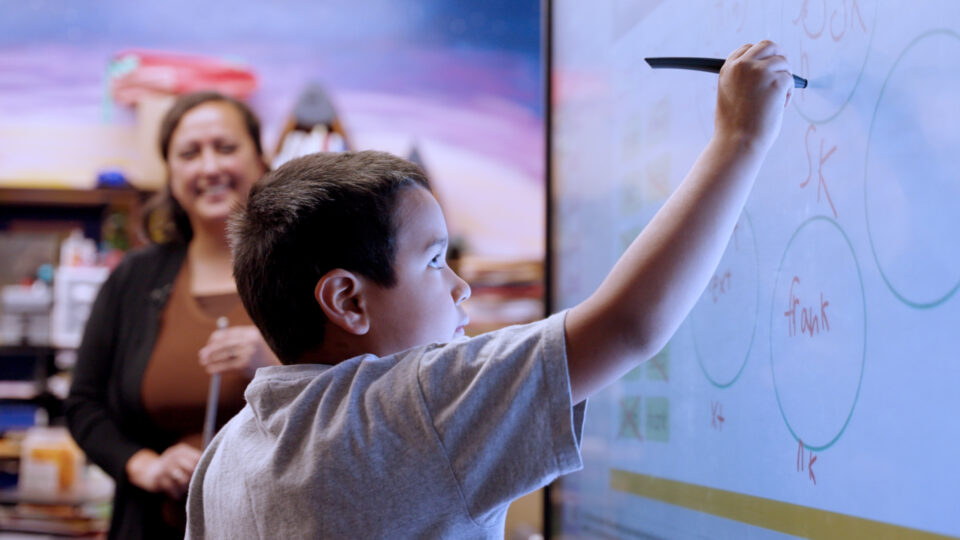
    Teachers can encourage critical thinking by asking open-ended questions and giving students opportunities to explain their reasoning. Instead of immediately providing an answer, a teacher may ask students to consider different possibilities and find evidence to support their conclusions.

    These activities can help students become more independent thinkers.

    Using Technology Effectively

    Technology has become an important part of many classrooms. Teachers can use presentations, educational videos, digital quizzes, online resources, and interactive activities to make lessons more engaging.

    However, using technology effectively does not mean using digital tools simply because they are available. Teachers need to consider whether a particular tool actually improves the learning experience.

    The goal should be to use technology where it adds value while maintaining meaningful communication between teachers and students.

    Providing Individual Support

    Every student has different strengths and challenges. Some may understand a concept quickly, while others may need additional explanations or practice.

    Teachers can identify these differences through classroom activities, assignments, questions, and discussions. They can then provide additional support where needed.

    Individual attention can help students overcome difficulties before those difficulties become larger academic problems.

    Teaching More Than Academic Subjects

    Schools and universities also help students develop skills that are useful beyond examinations. Communication, teamwork, organization, responsibility, and problem-solving are important in both professional and personal life.

    Teachers can encourage these skills through group projects, presentations, classroom discussions, and practical activities.

    For example, a group assignment can teach students how to divide responsibilities, communicate with others, manage deadlines, and work toward a shared goal.

    The Importance of Teacher-Student Relationships

    A strong relationship between teachers and students can contribute to a better learning experience. Students are more likely to participate when they feel that their questions and ideas are respected.

    This does not mean that teachers need to become friends with their students. Instead, it means creating a professional relationship based on respect, fairness, communication, and trust.

    When students know that their teacher wants them to succeed, they may become more motivated to participate in their education.

    Teachers as Lifelong Learners

    Education continues to change, which means teachers also need opportunities to learn. New technologies, teaching methods, research, and educational practices can provide teachers with new ways to support their students.

    Professional development can help educators improve their skills and adapt to changing classroom needs.

    A teacher who continues learning can also demonstrate an important lesson to students: education is a continuous process.

    Final Thoughts

    Technology has transformed many aspects of education, but teachers remain an essential part of the learning process. They provide guidance, encouragement, feedback, and human connection that digital tools cannot fully replace.

    The modern classroom can benefit from combining technology with effective teaching. Digital resources can provide access to information and interactive learning, while teachers help students understand that information and apply it meaningfully.

    Ultimately, the role of a teacher is not only to deliver lessons. It is to help students become curious, confident, responsible, and independent learners who are prepared to continue learning throughout their lives.