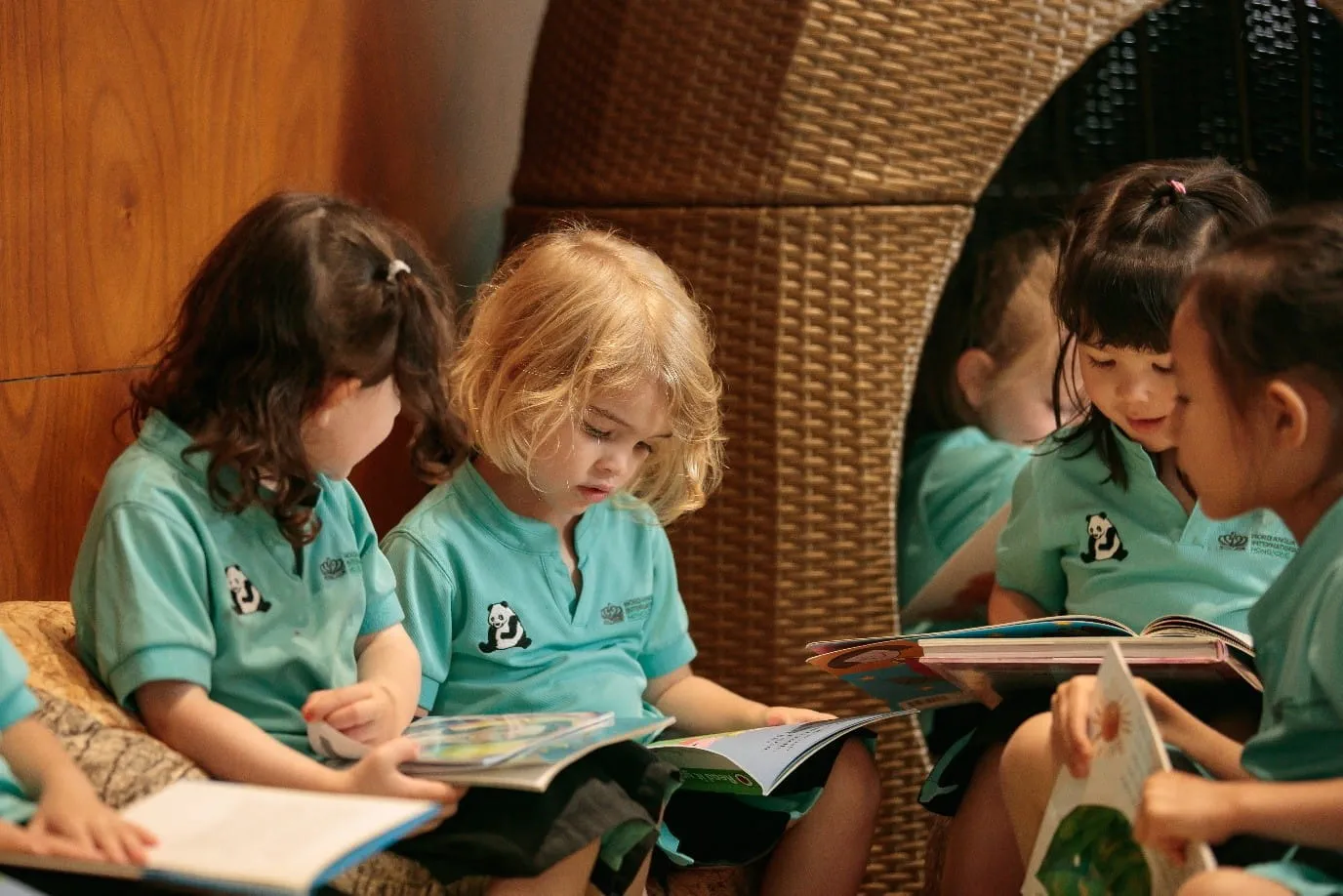
Education has changed significantly with the growth of technology, but one thing remains constant: teachers continue to play an important role in helping students learn and develop. Digital classrooms, online resources, and educational applications have created new opportunities, yet technology alone cannot replace the guidance and understanding that a good teacher provides.
A teacher’s role today goes beyond simply explaining information. Teachers help students ask questions, solve problems, build confidence, and understand how knowledge can be applied in real situations.
Teachers as Guides
In the past, teachers were often viewed as the main source of information in a classroom. Today, students can find information quickly through books, websites, online courses, and digital libraries.
Because of this change, teachers increasingly act as guides. They help students understand which information is useful, explain difficult concepts, and encourage them to explore subjects more deeply.
This guidance can make learning more meaningful because students are not simply collecting information. They are learning how to understand and use it.
Creating a Positive Learning Environment
Students learn differently, and their experiences outside the classroom can also affect their education. Some students may feel confident asking questions, while others may hesitate because they are afraid of making mistakes.
A supportive teacher can create an environment where students feel comfortable participating. Encouraging questions and treating mistakes as part of learning can help students become more willing to try new ideas.
A positive classroom environment can also encourage students to respect their classmates and listen to different viewpoints.
Encouraging Critical Thinking
Modern education requires more than memorization. Students need to learn how to analyze information and make thoughtful decisions.
Teachers can encourage critical thinking by asking open-ended questions and giving students opportunities to explain their reasoning. Instead of immediately providing an answer, a teacher may ask students to consider different possibilities and find evidence to support their conclusions.
These activities can help students become more independent thinkers.
Using Technology Effectively
Technology has become an important part of many classrooms. Teachers can use presentations, educational videos, digital quizzes, online resources, and interactive activities to make lessons more engaging.
However, using technology effectively does not mean using digital tools simply because they are available. Teachers need to consider whether a particular tool actually improves the learning experience.
The goal should be to use technology where it adds value while maintaining meaningful communication between teachers and students.
Providing Individual Support
Every student has different strengths and challenges. Some may understand a concept quickly, while others may need additional explanations or practice.
Teachers can identify these differences through classroom activities, assignments, questions, and discussions. They can then provide additional support where needed.
Individual attention can help students overcome difficulties before those difficulties become larger academic problems.
Teaching More Than Academic Subjects
Schools and universities also help students develop skills that are useful beyond examinations. Communication, teamwork, organization, responsibility, and problem-solving are important in both professional and personal life.
Teachers can encourage these skills through group projects, presentations, classroom discussions, and practical activities.
For example, a group assignment can teach students how to divide responsibilities, communicate with others, manage deadlines, and work toward a shared goal.
The Importance of Teacher-Student Relationships
A strong relationship between teachers and students can contribute to a better learning experience. Students are more likely to participate when they feel that their questions and ideas are respected.
This does not mean that teachers need to become friends with their students. Instead, it means creating a professional relationship based on respect, fairness, communication, and trust.
When students know that their teacher wants them to succeed, they may become more motivated to participate in their education.
Teachers as Lifelong Learners
Education continues to change, which means teachers also need opportunities to learn. New technologies, teaching methods, research, and educational practices can provide teachers with new ways to support their students.
Professional development can help educators improve their skills and adapt to changing classroom needs.
A teacher who continues learning can also demonstrate an important lesson to students: education is a continuous process.
Final Thoughts
Technology has transformed many aspects of education, but teachers remain an essential part of the learning process. They provide guidance, encouragement, feedback, and human connection that digital tools cannot fully replace.
The modern classroom can benefit from combining technology with effective teaching. Digital resources can provide access to information and interactive learning, while teachers help students understand that information and apply it meaningfully.
Ultimately, the role of a teacher is not only to deliver lessons. It is to help students become curious, confident, responsible, and independent learners who are prepared to continue learning throughout their lives.
Leave a Reply