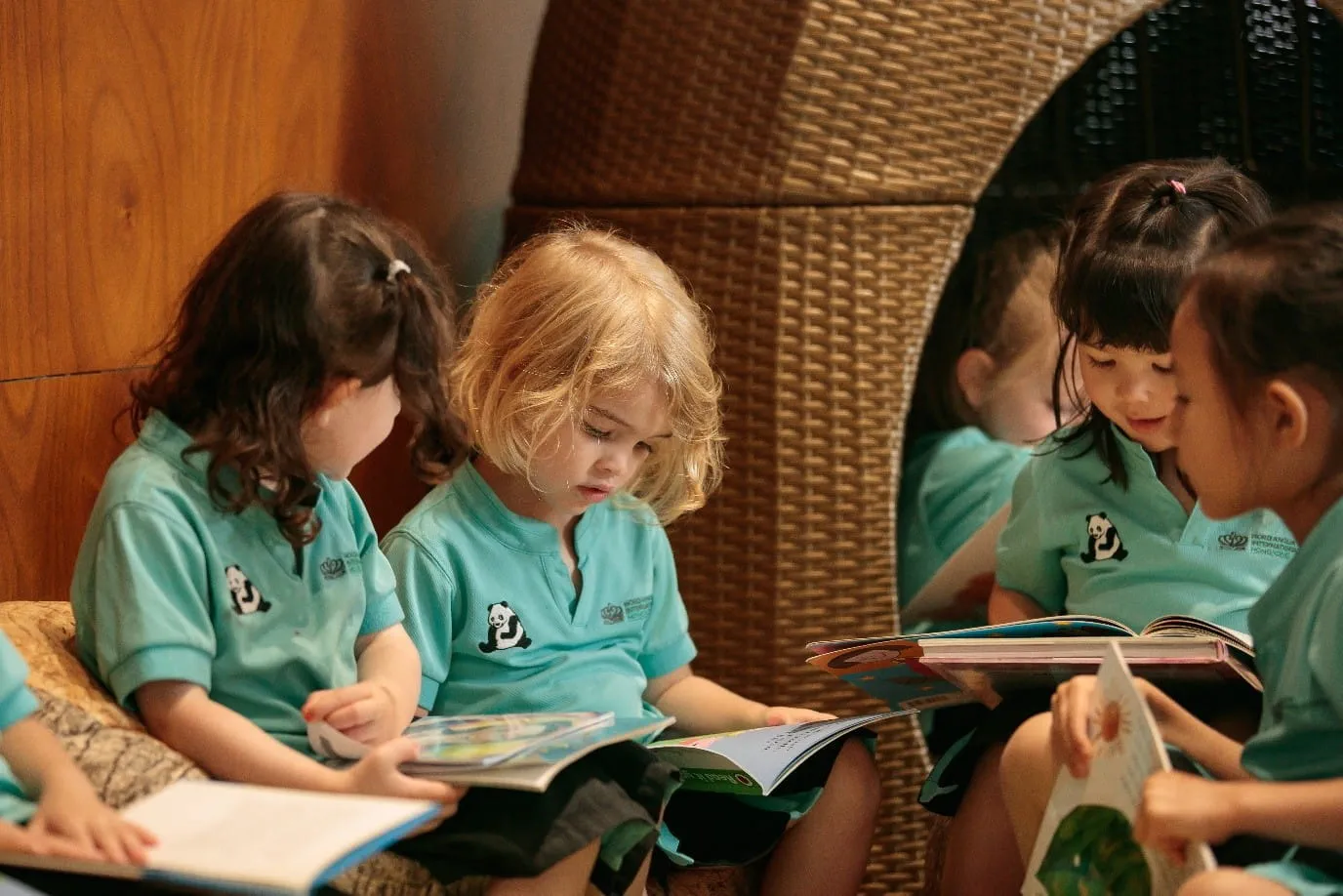
Reading is one of the most important skills students develop during their education. It helps people understand information, communicate ideas, explore different subjects, and develop a deeper interest in the world around them.
Although students now have access to videos, interactive platforms, and digital learning tools, reading remains an essential part of education. Books, research papers, articles, and other written resources can provide detailed information that students can return to whenever they need it.
Developing a regular reading habit can therefore support students both inside and outside the classroom.
Reading Improves Understanding
Students encounter written information in almost every subject. From science and mathematics to history and literature, the ability to understand written instructions and explanations is essential.
Regular reading gives students more opportunities to practice understanding complex ideas. Over time, they can become more comfortable with unfamiliar words, longer explanations, and different writing styles.
This can make it easier for them to understand textbooks, assignments, research materials, and examination questions.
Building a Strong Vocabulary
Reading is also an effective way to develop vocabulary. Students naturally encounter new words when they read books and articles from different subjects.
Instead of memorizing lists of words, students can often understand new vocabulary by seeing how words are used in sentences. With regular exposure, these words can gradually become part of their everyday communication.
A stronger vocabulary can also help students express their ideas more clearly in both speaking and writing.
Developing Concentration
Modern students have many sources of digital entertainment competing for their attention. Notifications, short videos, and social media can make it difficult to concentrate on one activity for a long period.
Reading provides an opportunity to practice sustained attention.
When students read a chapter of a book or a detailed article, they need to follow ideas from beginning to end. This can help develop patience and concentration, skills that are useful when studying difficult subjects or completing longer assignments.
Encouraging Imagination
Reading does more than provide factual information. Stories and literature can encourage students to imagine different places, characters, situations, and perspectives.
A well-written story can allow readers to experience events through another person’s point of view. This may encourage creativity and help students think about experiences that are different from their own.
For younger students especially, reading can become a powerful way to develop imagination and curiosity.
Supporting Academic Research
As students progress through their education, research becomes increasingly important. They may need to find information for assignments, presentations, projects, or academic papers.
Students who are comfortable reading different types of material may find it easier to identify useful information and understand the main ideas presented by different sources.
Reading also teaches students to compare information and recognize differences between facts, opinions, and interpretations.
Reading in the Digital Age
Reading habits have changed considerably with the growth of technology. Students can now read digital books, online journals, educational websites, news articles, and academic resources using computers and mobile devices.
Digital reading provides convenience and quick access to information. However, students should still learn how to evaluate online sources carefully.
Not every website provides accurate or reliable information. Checking the author, source, publication date, supporting evidence, and purpose of a piece of content can help students make better decisions about what they read.
Choosing the Right Material
Students do not need to read only academic textbooks. Different types of reading material can provide different benefits.
Fiction can develop imagination and introduce different perspectives. Biographies can provide insights into people’s experiences. Science and history books can expand knowledge, while educational articles can introduce students to current topics.
The most important thing is to choose material that is appropriate for the student’s age, interests, and level of understanding.
Creating a Reading Routine
Developing a reading habit does not require several hours every day. Students can begin with a small and realistic routine.
Reading for fifteen or twenty minutes each day can gradually become a normal part of the schedule. Keeping a book nearby, visiting a library, or using a digital reading platform can make the habit easier to maintain.
Parents and teachers can also encourage students by discussing what they are reading and allowing them to choose subjects that interest them.
Final Thoughts
Reading remains a fundamental part of education even as technology continues to change the way students learn. It can improve comprehension, vocabulary, concentration, creativity, and research skills.
More importantly, reading can encourage students to become curious and independent learners. When students discover that books and other written resources can help them answer questions and explore new ideas, learning can become something they enjoy rather than simply a classroom requirement.
A regular reading habit developed during school years can continue to provide benefits throughout higher education, professional life, and beyond.
Leave a Reply