Category: Uncategorized

  • How to Encourage Reading Habits in Young Students

    How to Encourage Reading Habits in Young Students

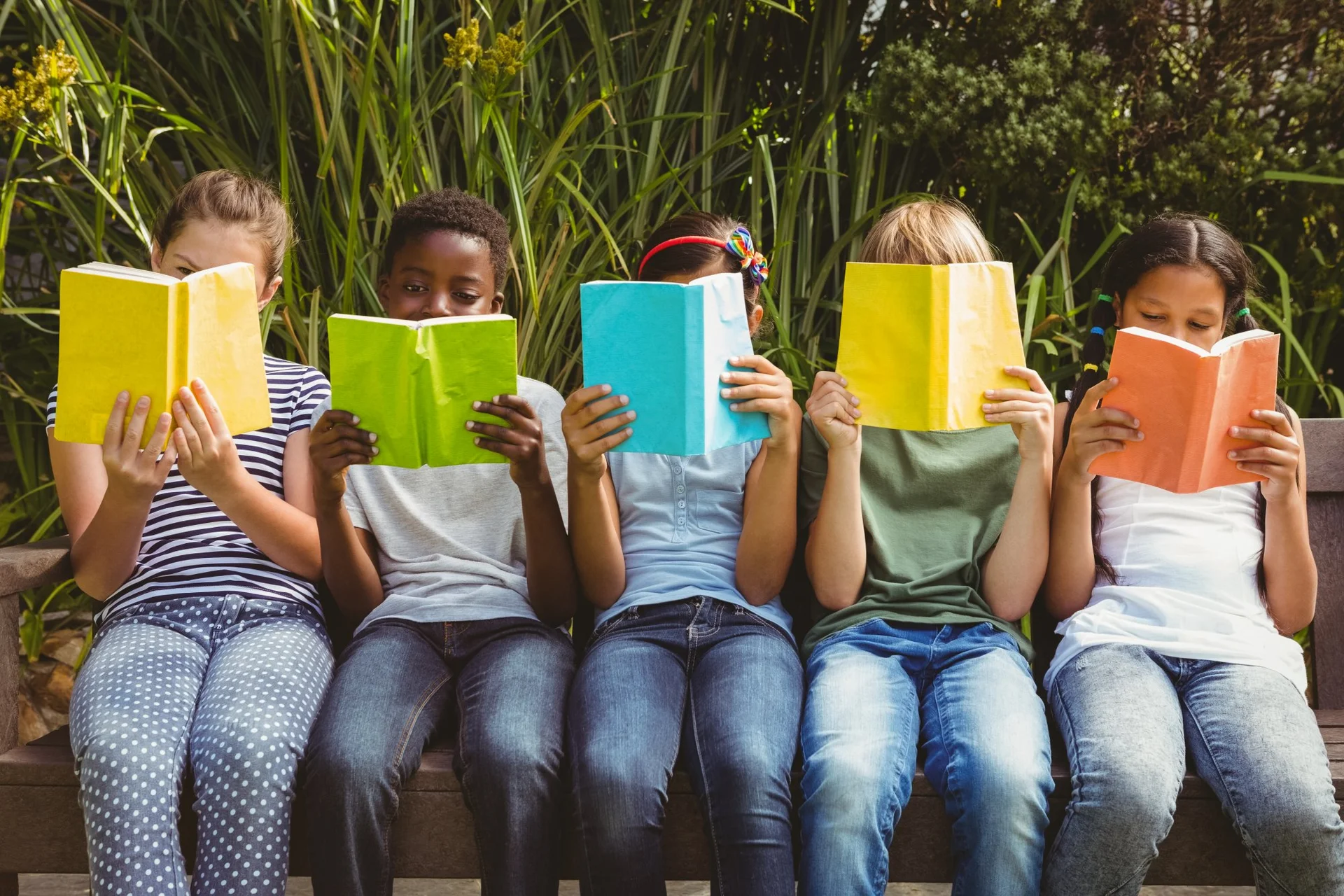
    Reading is one of the most important skills children develop during their early years. It helps them understand language, explore new ideas, build vocabulary, and gain knowledge about the world. However, learning to read and developing a lasting love for reading are two different things. Children need regular opportunities to discover books, explore stories, and enjoy reading without feeling that it is always a school assignment.

    Understanding how to develop reading habits in children can help parents and teachers create positive experiences that encourage young learners to read more frequently. Simple practices, such as reading together, offering interesting books, establishing a daily reading routine, and celebrating progress, can make reading a natural part of a child’s life.

    The goal is not simply to help children finish more books. It is to help them become confident readers who see reading as an enjoyable way to learn, imagine, and explore.

    Why Are Reading Habits Important for Young Students?

    Developing reading habits early can support children’s academic progress and personal growth. Regular reading provides opportunities to practice language, understand different perspectives, and build confidence with written information.

    1. Improves Vocabulary and Language Skills

    Books introduce children to words, expressions, and sentence structures they may not encounter in everyday conversations. Stories also expose young readers to different ways of describing people, places, emotions, and events.

    When children regularly encounter unfamiliar words in meaningful contexts, adults can help them understand and remember those words.

    For example, after reading a story about a forest, a teacher might discuss words such as shelter, branches, wildlife, and environment. Students can then use the new vocabulary in their own sentences.

    2. Develops Reading Comprehension

    Reading comprehension means understanding and interpreting what a text communicates. Children need opportunities to identify important details, follow sequences, understand characters, and explain the main idea.

    Parents and teachers can strengthen comprehension by asking simple questions during and after reading.

    Questions such as “Why did the character make that decision?” or “What do you think will happen next?” encourage children to think beyond individual words.

    3. Supports Academic Learning

    Reading is essential across school subjects. Students use it to understand mathematics problems, follow science explanations, study history, and complete classroom instructions.

    Children who develop strong reading skills have more opportunities to access information independently. Regular reading practice, alongside explicit instruction in reading skills, can support their progress across the curriculum.

    4. Encourages Imagination and Creativity

    Stories introduce children to imaginary worlds, unusual situations, and characters with different experiences. These ideas can inspire drawing, storytelling, role-play, and creative writing.

    After reading a story, children might invent a new ending, illustrate a favorite scene, or imagine what a character would do in a different situation.

    5. Builds Concentration and Persistence

    Following a story requires children to pay attention to details and connect events across a text. Reading also provides opportunities to practice working through challenging words and unfamiliar ideas.

    Short, enjoyable reading sessions can help young students gradually build stamina. Adults should adjust the length and difficulty of reading activities to suit each child’s development and attention needs.

    6. Encourages Independent Learning

    Children who feel comfortable reading can explore topics that interest them, from animals and space to sports and technology. Books allow them to investigate questions and develop interests beyond the classroom.

    Over time, reading can become a tool for curiosity and lifelong learning.

    How to Develop Reading Habits in Children

    Children are more likely to build lasting reading routines when books are accessible, activities are enjoyable, and adults provide consistent encouragement. The following strategies can be used at home and in school.

    1. Establish a Daily Reading Routine

    Consistency is more important than setting an unrealistic reading target. Choose a regular time when the child is comfortable and able to focus.

    Reading can become part of an after-school routine, a quiet period before bedtime, or a morning classroom activity.

    For younger children, begin with a short session and increase the duration gradually as their interest and reading ability develop.

    Practical tip: Set aside 10 to 15 minutes for shared or independent reading when appropriate for the child’s age and ability. Treat this as a flexible starting point rather than a strict requirement.

    A predictable routine helps children understand that reading is a normal part of everyday life.

    2. Choose Books That Match Children’s Interests

    Children are more likely to engage with books when the subjects appeal to them. Some enjoy adventure stories, while others prefer animals, mysteries, jokes, sports, science, or illustrated nonfiction.

    Allow children to participate in selecting their books. Giving them a choice can make reading feel more personal and enjoyable.

    For example, a student who loves dinosaurs might begin with illustrated dinosaur books before progressing to longer nonfiction texts about prehistoric animals.

    Books should also be appropriate for the child’s reading ability. A book that is too difficult may create frustration, while a book that is too easy may provide limited opportunities for growth.

    3. Read Aloud Together

    Reading aloud is an effective way for adults to introduce children to stories, vocabulary, and the rhythm of written language. It also allows children to enjoy books before they can read independently.

    Parents can read to children at home, while teachers can use read-aloud sessions to introduce new topics or model expressive reading.

    Make the experience interactive by pausing to discuss illustrations, predict what may happen next, or explain an unfamiliar word.

    For example, when reading a story about a lost puppy, ask, “How do you think the puppy feels?” or “What might help the puppy find its home?”

    Shared reading can support language development and provide opportunities to build comprehension through conversation.

    4. Create a Comfortable Reading Space

    A dedicated reading area can make books easier to access and help children associate reading with comfort.

    The space does not need to be large or expensive. A small shelf, a basket of books, comfortable seating, and good lighting can be enough.

    At home, keep a few books within the child’s reach. In classrooms, teachers can create a reading corner with books organized by topic, reading level, or genre.

    Refresh the selection occasionally so children have opportunities to discover new material.

    5. Let Children Choose Their Reading Materials

    Children should have opportunities to explore different types of reading material, including picture books, comics, magazines, poetry, short stories, and age-appropriate nonfiction.

    Not every child will immediately enjoy long chapter books, and that is perfectly acceptable. Illustrated books and short texts can provide meaningful reading experiences.

    As children’s confidence develops, encourage them to try new genres without forcing them to abandon the formats they already enjoy.

    The aim is to build a positive relationship with reading while gradually expanding their abilities.

    6. Make Reading Interactive

    Reading becomes more engaging when children can participate rather than simply listen.

    Parents and teachers can invite children to:

    • Predict what might happen next.
    • Describe a character’s feelings.
    • Identify important events in the story.
    • Connect a story to their own experiences.
    • Retell the story in their own words.
    • Draw a picture of a favorite scene.

    These activities give adults opportunities to check comprehension and help children organize their thoughts.

    However, avoid interrupting every page with questions. Allow children to enjoy the story, too.

    7. Be a Reading Role Model

    Children often notice the habits of adults around them. When parents, caregivers, and teachers read regularly, they demonstrate that reading is a valuable activity beyond schoolwork.

    Adults can talk about something interesting they have read, share a favorite book, or set aside a quiet period when everyone reads their own material.

    You do not need to finish a book every day to serve as a role model. Small, consistent examples can help children see reading as a normal part of life.

    8. Visit Libraries and Bookshops

    Libraries and bookshops expose children to a wider selection of books and give them opportunities to explore topics independently.

    A regular library visit can become a family or classroom activity. Let children browse, examine illustrations, and select books that interest them.

    Teachers can also organize classroom book exchanges so students discover titles recommended by their classmates.

    Where a physical library is not accessible, families can exchange books with relatives, neighbors, schools, or community groups.

    9. Celebrate Effort and Progress

    Positive encouragement can help children develop confidence, especially when reading is difficult.

    Recognize effort rather than focusing exclusively on the number of pages completed or books finished.

    For example, praise a child for trying an unfamiliar word, rereading a challenging passage, or explaining the meaning of a story.

    Reading charts can be useful if children enjoy tracking their progress, but avoid turning reading into a competition. Every child develops at a different pace.

    10. Make Reading Fun Through Games and Activities

    Games can provide additional opportunities to practice reading skills. They work best when they reinforce the child’s current learning goals.

    Useful activities include:

    • Word hunts: Find words beginning with a particular letter or sound.
    • Story sequencing: Arrange pictures or sentences in the correct order.
    • Character guessing: Describe a character and ask others to identify them.
    • Book bingo: Complete simple reading-related challenges.
    • Family storytelling: Take turns adding sentences to a shared story.

    These activities can help children practice vocabulary, comprehension, and language while keeping reading enjoyable.

    How Parents Can Encourage Reading at Home

    Parents do not need specialist teaching equipment to support children’s reading development. A few regular practices can create meaningful opportunities to explore books.

    Make Books Easy to Reach

    Keep books in places where children spend time, such as the bedroom, living room, or study area. A small collection that is easy to access can be more useful than a large collection that children rarely see.

    Ask Questions Without Turning Reading Into a Test

    Talk naturally about stories. Ask what the child liked, which character was interesting, or what they would do in a similar situation.

    Listen to the child’s answers and allow them to ask questions as well.

    Connect Books With Everyday Experiences

    A story about cooking can lead to reading a simple recipe. A book about birds can inspire an observation activity in the garden. A story about a new place can encourage a discussion about geography and culture.

    These connections help children understand that reading relates to the world around them.

    Respect Different Reading Speeds

    Some children begin reading independently early, while others need more time and support. Avoid comparing siblings or classmates.

    If a child finds reading difficult, identify the specific challenge and provide suitable practice. Persistent difficulties may require additional support from the child’s teacher or a qualified reading specialist.

    How Teachers Can Build a Reading Culture in the Classroom

    Schools play an important role in helping students develop regular reading habits. Teachers can create classroom routines that make books available, encourage discussion, and support progress.

    Introduce a Daily Reading Period

    Set aside a regular period for reading or shared book exploration. Depending on students’ needs, this may include independent reading, partner reading, guided reading, or teacher read-aloud sessions.

    Give students clear expectations and appropriate materials so that the time is purposeful.

    Build an Inclusive Classroom Library

    Include a variety of genres, formats, reading levels, and topics. Whenever possible, provide stories featuring different cultures, experiences, interests, and family backgrounds.

    A diverse collection gives more students opportunities to find books they enjoy and can understand.

    Use Book Discussions

    Short book discussions help students explain their ideas and hear different interpretations.

    Teachers can ask students to identify a key event, describe a character, summarize a passage, or support an opinion with evidence from the text.

    Keep discussions suitable for the students’ ages and reading abilities.

    Introduce Partner Reading

    Pair students for structured reading activities when appropriate. One student might read a short passage while the partner listens, then they can discuss its meaning and exchange roles.

    Provide guidance on how to give respectful feedback. Partner reading should support practice and confidence rather than embarrass students who need extra help.

    Communicate With Families

    Teachers can suggest simple reading activities that families can use at home. These recommendations should be realistic and flexible, recognizing that families have different schedules, resources, and language backgrounds.

    Schools can also provide take-home books, reading logs, or short family reading challenges when these tools are helpful.

    Supporting Children Who Are Reluctant to Read

    Some children avoid reading because they find it difficult, believe it is boring, or associate it with correction and pressure. Understanding the reason for reluctance is the first step toward providing effective support.

    Find Out What the Child Enjoys

    Start with the child’s interests. If they enjoy animals, offer animal stories or nonfiction books. If they like humor, try age-appropriate joke books or funny stories.

    The first goal is to help the child experience reading as relevant and enjoyable.

    Choose Manageable Texts

    A text that contains too many unfamiliar words can make reading tiring. Select material that allows the child to practice successfully while still encountering some new vocabulary and ideas.

    Adults can read more challenging books aloud while the child explores easier texts independently.

    Provide Support Without Taking Over

    When a child struggles with a word, give them time to try. Offer a prompt or model the correct pronunciation when needed, then encourage them to continue.

    For children learning to decode words, systematic instruction in letter-sound relationships and opportunities for guided practice are important. Enjoyable books should complement, not replace, the teaching of foundational reading skills.

    Avoid Using Reading as Punishment

    If reading is always associated with extra work, criticism, or lost privileges, children may become less motivated to participate.

    Set reasonable expectations and include opportunities for choice, success, and enjoyment.

    Seek Additional Help When Needed

    If a child consistently struggles to recognize words, read accurately, understand text, or make progress despite appropriate support, discuss the concern with their teacher.

    A teacher or qualified specialist can help identify which skills need attention and whether further assessment or targeted instruction would be useful.

    Digital Reading and Traditional Books

    Children may encounter reading through printed books, e-books, educational applications, and digital libraries. Both printed and digital formats can provide reading opportunities, but the quality of the content and the way it is used matter.

    Printed books can offer a simple, distraction-free experience. Digital books may provide adjustable text sizes, audio support, and convenient access to a broad range of material.

    To make digital reading more productive:

    • Select age-appropriate, well-written content.
    • Turn off unnecessary notifications.
    • Choose reading activities with a clear purpose.
    • Discuss the content rather than focusing only on screen time.
    • Balance digital reading with printed books and other activities.

    For young children, shared reading and conversation are especially valuable. The adult’s interaction with the child can help explain new words, clarify ideas, and maintain engagement.

    A Simple Weekly Reading Plan for Young Students

    A flexible reading plan can help parents and teachers build consistency without making reading feel like a burden.

    DaySuggested activityMain purpose
    MondayRead a short story togetherBuild interest and listening skills
    TuesdayLet the child choose a bookEncourage choice and motivation
    WednesdayRead aloud and discuss new wordsDevelop vocabulary
    ThursdayRetell a story or draw a scenePractice comprehension
    FridayVisit a library or exchange booksDiscover new reading material
    SaturdayRead for pleasure at a comfortable paceBuild a positive routine
    SundayTalk about a favorite book from the weekReflect on reading experiences

    Adjust the plan according to the child’s age, language skills, interests, and schedule. The activities can be shorter for younger children and more independent for older students.

    Consistency matters, but a missed day should not become a reason for frustration. Simply return to the routine when possible.

    Frequently Asked Questions

    How can I develop reading habits in children?

    Start with short, regular reading sessions, offer books that match the child’s interests, read aloud together, and create a comfortable place for books. Encourage progress without making reading feel like a punishment or competition.

    At what age should children start developing reading habits?

    Shared book experiences can begin in infancy, using age-appropriate picture books, conversation, and simple stories. As children grow, they can gradually move toward recognizing letters, decoding words, and reading independently. There is no single age at which every child will develop the same reading abilities.

    How much time should children spend reading each day?

    The appropriate amount depends on the child’s age, reading level, attention, and learning needs. A short daily session can be a useful starting point. Gradually adjust the duration as the child becomes more comfortable and confident.

    What kinds of books are best for young readers?

    Picture books, short stories, rhyming books, comics, simple nonfiction, and illustrated books can all be useful. The best choice is one that suits the child’s reading ability and interests while offering an appropriate level of challenge.

    How can parents motivate children who dislike reading?

    Identify why the child avoids reading, offer appealing and manageable texts, read together, and provide choices. Avoid comparisons and excessive pressure. If reading difficulties persist, seek advice from the child’s teacher.

    Does reading aloud help children become better readers?

    Reading aloud exposes children to vocabulary, sentence structures, stories, and ideas. Interactive shared reading also gives adults opportunities to discuss meaning and develop comprehension. Children who are learning to read independently also need appropriate instruction and guided practice with reading skills.

    How can teachers encourage reading habits at school?

    Teachers can establish regular reading periods, maintain accessible classroom libraries, use read-aloud sessions, organize book discussions, introduce partner reading, and work with families to encourage reading beyond the classroom.

    Are e-books suitable for young students?

    Yes. Age-appropriate e-books can provide convenient access to reading material and useful accessibility features. Adults should select suitable content, limit distracting features, and continue to encourage discussion and comprehension.

    Conclusion

    Learning how to develop reading habits in children involves more than asking them to read a certain number of pages each day. Children need access to interesting books, supportive adults, opportunities to make choices, and regular experiences that help reading feel rewarding.

    Parents can encourage reading through shared stories, everyday conversations, and simple routines at home. Teachers can support these efforts by creating welcoming classroom libraries, providing guided practice, and helping students find books that match their interests and abilities.

    Most importantly, reading enjoyment should work alongside effective reading instruction. Young learners need opportunities to develop vocabulary and comprehension as well as systematic support with foundational skills when necessary.

    With patience, consistency, and encouragement, families and schools can help children become more confident readers and develop a positive relationship with books that supports their learning for years to come.
  • Hello world!

    Welcome to WordPress. This is your first post. Edit or delete it, then start writing!

  • What Is Special Education and How Does It Support Students?

    What Is Special Education and How Does It Support Students?

    Every student learns differently. Some students understand new concepts quickly through reading, while others benefit from visual examples, practical activities, additional practice, or one-to-one guidance. For students with disabilities or specific learning needs, the right educational support can make a meaningful difference in their ability to participate, develop skills, and achieve their goals.

    Special education is designed to address these differences by providing appropriate instruction, resources, and services based on individual needs. It can include specialized teaching methods, accessible learning materials, classroom accommodations, assistive technology, and collaboration between teachers, families, and other professionals.

    Understanding special education support for students helps parents, educators, and school communities recognize how personalized instruction can improve access to learning. It also highlights the importance of creating environments where students feel respected, included, and encouraged to reach their potential.

    In this guide, we explain what special education means, who may benefit from it, the different types of support available, and how schools and families can work together to help students succeed.

    What Is Special Education?

    Special education refers to specially designed instruction and related educational support intended to meet the individual needs of eligible students with disabilities. Its purpose is to help students access learning, develop important skills, and participate meaningfully in school life.

    Depending on a student’s needs and the education system, support may be provided in a general education classroom, a specialized classroom, a resource room, or another suitable learning environment.

    Special education is not simply about making schoolwork easier. It involves identifying barriers to learning and selecting appropriate strategies, materials, teaching approaches, and services that help students make progress.

    For example, a student with a reading-related learning disability may benefit from explicit instruction in phonics, structured reading practice, and additional time for certain assignments. A student with a physical disability may need accessible classroom furniture, adapted equipment, or changes to the classroom layout.

    The support provided should reflect the student’s individual strengths, needs, educational goals, and circumstances.

    Special education may address several areas, including:

    • Academic learning and foundational skills.
    • Communication and language development.
    • Social interaction and emotional regulation.
    • Independent living and daily routines.
    • Physical access and motor skills.
    • Organization, attention, and task completion.
    • Preparation for further education, employment, and adult life.

    Not every student needs the same services. Effective support begins with understanding the individual learner rather than making assumptions based on a diagnosis or label.

    Who Can Benefit From Special Education Support?

    Special education services may benefit students whose disabilities affect their access to instruction or their ability to make educational progress without additional support. Eligibility requirements differ by country, region, and school system.

    Students who may need specialized educational support include those with the following needs.

    1. Learning Disabilities

    Some students experience persistent difficulties with specific academic skills, such as reading, writing, spelling, or mathematics, despite receiving appropriate instruction.

    For example, a student with dyslexia may need structured reading instruction that explicitly teaches the relationships between letters and sounds. A student with dyscalculia may benefit from visual representations, concrete objects, and carefully sequenced mathematics practice.

    Appropriate teaching strategies can help students develop skills while reducing unnecessary barriers to demonstrating what they know.

    2. Autism and Social Communication Differences

    Some autistic students benefit from predictable routines, clear instructions, visual schedules, sensory adjustments, or support with communication and social participation.

    Needs vary considerably from one student to another. Some may need substantial assistance throughout the school day, while others may require only specific accommodations or occasional support.

    The goal is to respect each student’s communication style, strengths, preferences, and individual support needs.

    3. Attention and Executive Functioning Difficulties

    Students who have difficulty sustaining attention, organizing materials, managing time, or completing multi-step tasks may benefit from structured routines and targeted strategies.

    Examples include written checklists, short task segments, movement breaks when appropriate, clear deadlines, and regular feedback.

    These approaches can help students understand expectations and manage their work more effectively.

    4. Speech and Language Needs

    Some students need additional help understanding spoken language, expressing ideas, developing vocabulary, or communicating with classmates and teachers.

    Support may include visual aids, simplified or repeated instructions, alternative communication methods, and collaboration with qualified speech-language professionals.

    Communication support should help students express their needs, participate in lessons, and build relationships.

    5. Physical Disabilities and Mobility Needs

    Students with physical disabilities may need accessible entrances, suitable desks, adapted writing tools, mobility assistance, or changes to classroom activities.

    Schools can also make sure students have meaningful opportunities to participate in physical education, field trips, laboratory activities, and extracurricular programs.

    Accessibility should be considered across the whole school environment, not just inside the classroom.

    6. Hearing or Vision Disabilities

    Students with hearing or vision disabilities may require adapted materials, assistive technology, accessible classroom arrangements, or specialized instruction.

    Examples include large-print resources, screen-reading software, captioned videos, suitable lighting, or appropriate hearing technology.

    Teachers should coordinate with the student and relevant specialists to understand which adjustments are useful.

    7. Intellectual or Developmental Disabilities

    Some students need additional support with academic concepts, communication, daily living skills, or learning at a different pace.

    Instruction may involve smaller steps, repeated practice, visual demonstrations, practical examples, and clearly defined goals.

    Students should still have opportunities to develop their strengths, make choices, interact with peers, and participate in meaningful educational activities.

    A student may have more than one area of need. Educational decisions should be based on a comprehensive understanding of the individual rather than a single characteristic.

    8 Important Types of Special Education Support for Students

    Schools can provide different forms of assistance depending on student needs, available resources, and applicable educational requirements.

    1. Individualized Education Plans

    An individualized education plan, often called an IEP in the United States, is a written educational plan for eligible students. Other countries may use different names and processes for individualized support plans.

    An IEP typically identifies the student’s current educational needs, learning goals, required services, and methods for reviewing progress.

    Depending on the applicable system, it may include:

    • Current academic and functional performance.
    • Measurable educational goals.
    • Specialized instruction and related services.
    • Classroom accommodations and modifications.
    • Assistive technology or communication support.
    • Methods for monitoring progress.
    • Planning for transitions to later educational stages.

    For example, a student who has difficulty with written expression may have a goal related to organizing paragraphs and communicating ideas clearly. The plan might identify explicit writing instruction, guided practice, and appropriate tools for completing assignments.

    The plan should be reviewed regularly so that support remains relevant as the student develops.

    2. Classroom Accommodations

    Accommodations change how a student accesses information, completes tasks, or demonstrates learning without necessarily changing the academic standard being assessed.

    Common accommodations include:

    • Additional time for eligible assessments.
    • Written instructions alongside verbal explanations.
    • Preferential seating when it supports access to instruction.
    • Accessible digital documents.
    • Reduced-distraction testing environments.
    • Assistive technology for reading or writing.
    • Short breaks when appropriate.

    For example, a student who has difficulty processing lengthy written instructions may benefit from a checklist that divides an assignment into clear steps.

    Accommodations should address an identified barrier rather than being applied automatically to every student.

    3. Modified Instruction and Learning Materials

    Some students need instruction adapted to their learning level, communication needs, or developmental goals.

    Teachers may divide a complex task into smaller parts, use simpler examples before introducing abstract ideas, provide additional demonstrations, or adjust materials to make them accessible.

    In certain cases, a student’s educational program may include modified learning objectives or alternative achievement expectations, depending on local policy and individual planning.

    The important point is to maintain meaningful learning opportunities and set appropriately ambitious goals.

    4. One-to-One and Small-Group Instruction

    Individual or small-group teaching can provide opportunities for targeted practice and immediate feedback.

    A special education teacher might work with a student on reading fluency, mathematical reasoning, communication, or organization. Small groups can also help students practice specific skills with peers in a structured setting.

    For example, a teacher may use short, guided reading sessions to help students practice decoding unfamiliar words and understanding passages.

    The frequency and duration of this support should depend on the student’s needs and the effectiveness of the instruction.

    5. Speech, Occupational, and Other Related Services

    Some students benefit from services delivered by qualified professionals who work alongside teachers and families.

    Depending on the student’s needs and local arrangements, related services may include:

    • Speech-language therapy.
    • Occupational therapy.
    • Physical therapy.
    • Audiology services.
    • Counseling or school psychology services.
    • Orientation and mobility instruction.
    • Specialized transportation or other support services where appropriate.

    These services should connect to the student’s educational participation and development. Availability and eligibility vary by jurisdiction.

    6. Assistive Technology

    Assistive technology includes tools and devices that help students access information, communicate, complete tasks, or participate more independently.

    Examples include:

    • Text-to-speech software that reads digital text aloud.
    • Speech-to-text tools for dictation.
    • Screen readers for students who are blind or have low vision.
    • Alternative keyboards or adapted input devices.
    • Communication devices and picture-based communication systems.
    • Captioning and accessible digital learning materials.

    A student who struggles to produce handwritten work, for instance, may be able to communicate ideas more effectively using speech-to-text technology.

    Technology should be selected according to the student’s needs, preferences, and learning environment. Training and ongoing support are also important.

    7. Social and Emotional Support

    Students may need support with managing stress, building friendships, expressing emotions, or responding to challenging situations.

    Schools can provide structured routines, counseling where appropriate, positive behavior support, social skills instruction, and opportunities to practice communication.

    For example, a teacher might help a student rehearse how to ask for assistance, join a group activity, or request a quiet space when overwhelmed.

    Support should focus on understanding the reasons behind a difficulty and teaching useful skills rather than relying on punishment or humiliation.

    8. Transition Planning and Life Skills

    As students grow older, educational planning may increasingly focus on independence and preparation for adult life.

    Transition support can include self-advocacy, time management, personal organization, career exploration, further education planning, and practical daily living skills.

    For example, a secondary school student may practice explaining which accommodations help them learn, planning a weekly schedule, or preparing for a vocational placement.

    These skills can help students make informed choices and prepare for their next stage of education, training, or employment.

    How Special Education Supports Academic Success

    Academic achievement depends on many factors, including instruction, prior knowledge, learning opportunities, and the environment in which a student studies.

    Special education can help by identifying obstacles and providing targeted instruction or accommodations that make learning more accessible.

    Personalized Teaching Strategies

    Students may understand concepts in different ways. Some benefit from visual demonstrations, while others learn through listening, movement, discussion, or hands-on practice.

    Teachers can combine these approaches to explain difficult ideas and give students multiple opportunities to practice.

    For example, when teaching fractions, a teacher might use drawings, physical fraction pieces, spoken explanations, and written examples.

    Clear and Manageable Learning Goals

    Breaking a complex task into smaller goals can make progress easier to understand and monitor.

    Instead of asking a student to complete a long writing assignment without guidance, a teacher might provide separate steps for brainstorming, organizing ideas, drafting, and revising.

    This structure can help students begin tasks, recognize progress, and identify where additional assistance is needed.

    Regular Feedback and Progress Monitoring

    Students benefit when teachers explain what they are doing well and what they can try next.

    Progress monitoring helps educators determine whether a teaching strategy is effective or whether changes are needed.

    For example, a teacher might track reading accuracy and comprehension over time rather than relying on a single assessment.

    When a student is not making expected progress, the team can review the instruction, accommodations, learning goals, and possible additional needs.

    Opportunities to Demonstrate Knowledge

    A disability may affect how a student completes a task without necessarily reflecting their understanding of the subject.

    Where appropriate and consistent with learning objectives, students may benefit from accessible response formats, oral explanations, assistive technology, or other approved methods of demonstrating knowledge.

    Assessment arrangements should preserve the purpose of the assessment while removing unnecessary barriers.

    Special Education and Inclusive Education: What Is the Difference?

    Special education and inclusive education are related, but they are not identical concepts.

    Special education focuses on specialized instruction and support for eligible students with disabilities or other qualifying educational needs.

    Inclusive education focuses on creating learning environments and systems in which students with different abilities, backgrounds, and needs can participate meaningfully.

    An inclusive school may provide special education services within general education classrooms. Students may also receive instruction in a resource room or another setting when appropriate to their individual needs and the applicable rules.

    The aim is not simply to place students in the same building. Schools should work to ensure that students can access the curriculum, take part in school activities, develop relationships, and feel that they belong.

    FeatureSpecial EducationInclusive Education
    Main focusIndividualized instruction and supportAccess, participation, and belonging for diverse learners
    Teaching approachSpecialized strategies based on individual needsFlexible teaching and accessible learning environments
    SupportMay include specialized teachers and related servicesMay combine general education with individualized and specialist support
    Learning settingGeneral classrooms, specialized settings, or a combinationSeeks meaningful participation in shared learning environments where appropriate
    Main goalAddress individual educational needsReduce barriers and support participation for all learners

    These approaches can work together. Effective schools combine individualized support with a commitment to accessibility and inclusion.

    The Role of Special Education Teachers

    Special education teachers play an important role in helping students access learning and develop individual skills.

    Their responsibilities vary according to the school system, their qualifications, and the students they support.

    Assessing Learning Needs

    Teachers review educational information, observe classroom performance, and collaborate with relevant professionals to understand the barriers a student experiences.

    Formal eligibility evaluations and diagnoses must be handled according to applicable rules and professional responsibilities.

    Designing and Delivering Instruction

    Special education teachers adapt instruction, select appropriate resources, teach specific skills, and help students work toward their educational goals.

    They may provide direct instruction, work with small groups, or collaborate with general education teachers to support learning in the classroom.

    Coordinating With Other Professionals

    Students may receive assistance from several people, including classroom teachers, speech-language professionals, counselors, occupational therapists, and school administrators.

    Coordination helps ensure that support is consistent and connected to the student’s educational goals.

    Monitoring Progress

    Teachers collect information about student learning, identify areas of progress, and adjust teaching strategies when necessary.

    This ongoing process helps prevent support from becoming outdated or disconnected from the student’s current needs.

    Supporting Independence and Self-Advocacy

    Effective support should help students build skills and participate as actively as possible in their education.

    Teachers can encourage students to identify what helps them learn, ask questions, make choices, and gradually take greater responsibility for appropriate tasks.

    How Parents Can Support a Child Receiving Special Education

    Families have valuable knowledge about their children’s strengths, interests, communication, and everyday experiences. Working together with school staff can help create more consistent and effective support.

    1. Maintain Regular Communication With Teachers

    Ask teachers about your child’s progress, successful strategies, and any challenges that require attention.

    Share relevant observations from home, such as activities your child enjoys or situations in which they communicate particularly well.

    Regular, respectful communication can help identify patterns and guide decisions.

    2. Understand the Education Plan

    If your child has an IEP or another individualized plan, review its goals, accommodations, services, and progress-monitoring arrangements.

    Ask questions if any part of the plan is unclear. Understand who is responsible for providing each service and how progress will be reviewed.

    Procedures and legal rights vary by location, so consult the relevant education authority for jurisdiction-specific guidance.

    3. Establish Predictable Routines at Home

    Consistent routines may help children organize their time and prepare for daily activities.

    A visual schedule, homework checklist, or designated study area can make expectations easier to understand.

    Routines should be flexible enough to accommodate the child’s energy, needs, and circumstances.

    4. Encourage Strengths and Interests

    Students should not be defined only by the challenges they experience.

    Encourage interests in art, science, sports, technology, music, reading, or other activities. Opportunities to explore strengths can support confidence, relationships, and motivation.

    5. Promote Independence Gradually

    Provide assistance when necessary, but give children opportunities to make choices and complete age-appropriate tasks.

    For example, a child might organize school supplies using a checklist or practice explaining which instructions they need repeated.

    The level of independence expected should reflect the child’s abilities and support needs.

    6. Advocate Respectfully for Appropriate Support

    If your child is struggling, document specific examples and discuss them with the school.

    Ask what has been tried, what progress has been observed, and whether additional assessment or support should be considered.

    Working collaboratively can help families and educators identify practical solutions while keeping the child’s needs at the center.

    Common Challenges in Special Education

    Although special education can provide important benefits, students and families may encounter challenges that affect access and progress.

    Limited Resources

    Some schools have limited access to specialist staff, accessible materials, assistive technology, or professional development.

    School leaders can address these barriers by identifying priorities, coordinating available resources, and seeking appropriate training and support.

    Insufficient Teacher Training

    Educators need practical knowledge about disabilities, differentiated instruction, classroom accessibility, and positive support strategies.

    Professional development and collaboration between general and special education teachers can help improve the consistency of support.

    Stigma and Misunderstanding

    Students may experience low expectations, exclusion, or negative assumptions because of a disability or learning difference.

    Schools should promote respectful language, challenge stereotypes, protect students from bullying, and recognize individual strengths.

    Inconsistent Support

    When teachers and specialists use conflicting strategies or fail to communicate, students may not receive the support they need consistently.

    Shared goals, clear responsibilities, and regular review meetings can help improve coordination.

    Difficulty Measuring Progress

    Progress may not always be visible through standard tests alone. Students may also be developing communication, independence, social participation, or practical skills.

    Schools should use appropriate measures that reflect the student’s goals and educational needs.

    Recognizing these challenges is an important step toward building more effective and inclusive education systems.

    How Schools Can Create Better Special Education Programs

    High-quality special education requires more than providing individual services. Schools need systems that support access, collaboration, and ongoing improvement.

    Use Individualized and Evidence-Informed Teaching

    Instruction should reflect each student’s needs and be adjusted according to progress.

    Teachers should select approaches supported by relevant evidence and monitor whether those approaches are helping the student achieve meaningful goals.

    Make Classrooms Accessible

    Accessible classrooms consider physical movement, sensory needs, communication, and access to learning materials.

    Schools can improve accessibility through suitable furniture, clear layouts, digital accessibility, visual supports, and appropriate assistive technology.

    Encourage Collaboration

    General education teachers, special education teachers, families, school leaders, and relevant specialists should share information and coordinate responsibilities.

    Students should also be involved in decisions in ways appropriate to their age and communication preferences.

    Set High but Realistic Expectations

    Students with disabilities deserve meaningful learning opportunities and respect for their abilities.

    Expectations should be ambitious enough to encourage development while remaining appropriate to the student’s needs, goals, and circumstances.

    Review Services Regularly

    Educational plans and teaching strategies should change when a student’s needs change.

    Regular reviews help schools identify progress, address continuing barriers, and determine whether additional or different support is necessary.

    What Are the Long-Term Benefits of Special Education Support?

    The long-term value of special education extends beyond academic grades. When support is appropriate and effective, it can help students develop skills that are useful throughout life.

    Improved Access to Learning

    Specialized instruction and suitable accommodations can help students participate more fully in lessons and demonstrate their knowledge.

    Greater Independence

    Students can practice organization, communication, self-advocacy, and everyday problem-solving skills.

    Stronger Social Participation

    Accessible activities and supportive school relationships can create opportunities for friendships, cooperation, and a stronger sense of belonging.

    Better Preparation for Future Goals

    Educational planning can help students prepare for further education, vocational training, employment, and independent living where appropriate.

    Increased Confidence

    When students receive respectful support and have opportunities to recognize their progress, they may develop greater confidence in their abilities and willingness to attempt new challenges.

    These outcomes are not automatic. They depend on the quality and consistency of support, access to appropriate resources, individual circumstances, and the student’s wider learning environment.

    Frequently Asked Questions About Special Education Support for Students

    What is special education support for students?

    Special education support for students includes specialized teaching, accommodations, accessible materials, assistive technology, and related services designed to address individual educational needs. The type of support depends on the student’s needs and the requirements of the applicable education system.

    What is the main purpose of special education?

    The main purpose is to help eligible students access meaningful educational opportunities, develop skills, and make progress toward appropriate academic and functional goals. It aims to address barriers to learning while respecting each student’s strengths and individual needs.

    Who qualifies for special education services?

    Eligibility depends on local laws, educational policies, and the student’s assessed needs. In some systems, students must meet specific disability criteria and demonstrate a need for specially designed instruction. Parents can contact their school or local education authority to learn about the relevant process.

    What is an individualized education plan?

    An individualized education plan, or IEP, is a formal document used in some education systems to outline an eligible student’s educational needs, goals, services, and progress-monitoring arrangements. Other countries may use different names or planning procedures.

    What are examples of special education accommodations?

    Examples include additional time when appropriate, accessible learning materials, written instructions, assistive technology, reduced-distraction testing environments, and alternative ways to communicate or demonstrate knowledge. Accommodations should be selected according to the student’s needs and relevant assessment requirements.

    How does special education differ from general education?

    General education typically provides the standard curriculum for a school’s student population. Special education provides specially designed instruction and additional services for eligible students who need them. Students may receive both general education and special education support, depending on their individual plans and circumstances.

    Can students with disabilities learn in regular classrooms?

    Yes. Many students with disabilities learn in general education classrooms with appropriate accommodations, specialized instruction, or support from additional professionals. The suitable setting depends on individual needs, available services, and applicable educational requirements.

    How can parents request special education support?

    Parents can begin by discussing their concerns with the child’s teacher, school counselor, or school administrator. They can ask about the school’s assessment and support process, document specific learning difficulties, and request information about their rights under local education rules.

    Why is inclusive education important?

    Inclusive education aims to reduce barriers that prevent students from accessing learning and participating in school life. It supports meaningful educational opportunities, social participation, and a sense of belonging for students with diverse needs and backgrounds.

    Does special education help students prepare for adult life?

    Appropriate educational support can help students develop academic, communication, practical, and self-advocacy skills. Transition planning may also support preparation for further education, vocational training, employment, and independent living.

    Conclusion

    Special education plays an important role in making learning accessible to students with different abilities and educational needs. Through individualized instruction, classroom accommodations, assistive technology, related services, and collaboration with families, schools can help students overcome barriers and work toward meaningful goals.

    Effective special education support for students recognizes that every learner has individual strengths, challenges, interests, and aspirations. Rather than relying on a single teaching method, educators can use flexible strategies, monitor progress, and adjust support as students develop.

    Parents, teachers, school leaders, and specialists all contribute to a successful educational experience. By working together, they can create environments that promote learning, independence, respect, and inclusion.

    Every student deserves the opportunity to participate, develop skills, and work toward a meaningful future. With appropriate support and high-quality teaching, schools can take important steps toward making that opportunity a reality.