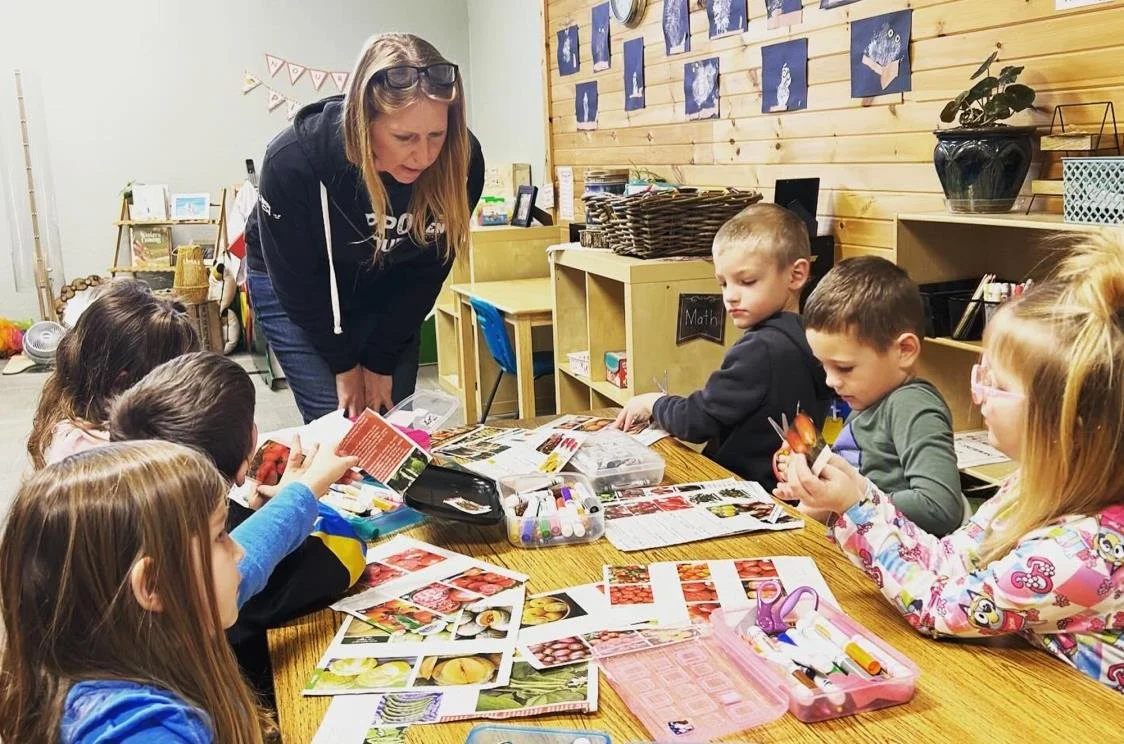
A child’s education does not begin and end in the classroom. Families help children develop their habits, values, confidence, and curiosity, while schools provide structured instruction, social experiences, and opportunities for academic growth. When families and educators work together, they can create a more consistent and supportive learning experience for every student.
However, building strong relationships between schools and families requires more than sending report cards or arranging occasional parent-teacher meetings. Effective partnerships depend on trust, respectful communication, shared goals, and meaningful opportunities for families to participate in their children’s education.
Using practical school family partnership strategies, schools can improve communication, respond to student needs earlier, and help parents feel more confident about supporting learning at home. These strategies should also recognize that families have different schedules, languages, experiences, resources, and ways of participating.
This guide explains why school-family partnerships matter, the challenges that can weaken them, and practical steps schools can take to build lasting relationships with parents and caregivers.
What Are School-Family Partnerships?
School-family partnerships are collaborative relationships in which educators, parents, caregivers, and school leaders work together to support children’s academic achievement, social development, emotional well-being, and long-term growth.
In a strong partnership, communication goes both ways. Teachers share information about classroom learning and student progress, while families contribute knowledge about their children’s interests, experiences, strengths, and challenges.
For example, a teacher may notice that a student has difficulty completing reading assignments. A parent might explain that the child enjoys listening to stories but becomes frustrated when reading independently. By sharing these observations, the teacher and parent can discuss appropriate reading practice and agree on ways to monitor improvement.
Effective partnerships do not require parents to become teachers or educators to solve every family challenge. Instead, they establish a cooperative relationship in which each side contributes useful information and works toward shared goals.
School-family partnerships can include:
- Regular, two-way communication between teachers and parents.
- Parent-teacher conferences focused on student progress.
- Family participation in school activities and learning events.
- Guidance that helps parents support learning at home.
- Collaboration when students experience academic or behavioral difficulties.
- Opportunities for families to contribute to school decisions.
- Connections with community organizations that support children and families.
The purpose is to create a coordinated support system that helps children learn, develop confidence, and access appropriate opportunities.
Why Are Strong School-Family Partnerships Important?
A positive relationship between home and school can help children experience greater consistency in their education. When adults communicate effectively, they can identify concerns earlier, reinforce useful habits, and make informed decisions about student needs.
1. They Support Academic Progress
Parents often have valuable information about children’s interests, learning habits, and difficulties outside school. Teachers can use this information to provide more appropriate instruction and recommend realistic learning activities at home.
Families can reinforce classroom learning through shared reading, conversations about schoolwork, regular study routines, and encouragement to practice new skills.
The most effective support is practical and manageable. Parents do not need advanced subject knowledge to ask children what they learned, listen to their explanations, or help them establish consistent homework habits.
2. They Improve Communication and Trust
Trust develops when schools communicate honestly, respond to questions, and treat families with respect.
When parents feel comfortable contacting teachers, they may be more willing to discuss concerns before those concerns become serious. Similarly, teachers who understand a child’s home circumstances may be better prepared to suggest appropriate support.
Trust also requires schools to share positive information, not only messages about mistakes, low grades, or behavioral problems.
3. They Promote Social and Emotional Well-Being
Children benefit when the adults around them communicate about their well-being and provide consistent expectations.
If a student experiences anxiety about school, difficulty making friends, or repeated frustration with assignments, families and teachers can work together to understand the situation.
A coordinated response may include encouraging positive routines, teaching problem-solving skills, adjusting classroom support, or seeking additional professional assistance when needed.
4. They Help Identify Difficulties Earlier
Teachers observe students in academic and social settings, while parents see how children behave and learn at home. Combining these perspectives can reveal patterns that might otherwise be missed.
For instance, a child may participate confidently in classroom discussions but become distressed when completing homework independently. Discussing this difference can help adults identify where further guidance is needed.
Early communication does not mean rushing to label a child. It means sharing observations, considering possible explanations, and deciding whether additional support would be useful.
5. They Create a Stronger School Community
When families feel welcome and respected, they are more likely to develop relationships with teachers, other parents, and school leaders.
These connections can encourage cooperation, create opportunities for community learning, and help schools understand the needs of the families they serve.
Strong partnerships also allow schools to recognize family strengths, cultural knowledge, professional experience, and community resources that can enrich children’s educational experiences.
10 Effective School Family Partnership Strategies
Building successful partnerships requires consistent action rather than a single event. The following strategies can help schools create meaningful relationships with families throughout the academic year.
1. Establish Clear and Consistent Communication
Communication is the foundation of a successful school-family relationship. Parents need understandable information about classroom activities, assignments, school expectations, upcoming events, and student progress.
Schools should establish clear communication routines so families know when and how they can expect updates.
Practical approaches include:
- Sending regular classroom updates through an agreed communication channel.
- Sharing important dates and deadlines in advance.
- Explaining school policies in straightforward language.
- Providing a clear process for parents to contact teachers.
- Responding to family questions within a reasonable timeframe.
- Sharing positive developments as well as concerns.
Schools should avoid relying on one communication method for every family. Some parents may prefer email, while others may have more reliable access to phone calls, text messages, printed notices, or school communication platforms.
Consistency matters more than the number of messages. Communication should be useful, timely, respectful, and easy to understand.
2. Build Trust Before Problems Arise
A partnership becomes difficult when families hear from school staff only after a child has received a low grade or broken a rule.
Teachers can strengthen relationships by introducing themselves early, welcoming questions, and sharing positive observations about students.
For example, a teacher might contact a parent to explain that their child has shown kindness toward classmates or made progress in reading. These small interactions help establish a relationship that can support more difficult conversations later.
When concerns do arise, educators should describe specific observations rather than making broad judgments about a child’s character.
Instead of saying, “Your child is irresponsible,” a teacher could explain, “The last three assignments were submitted late, so I would like us to discuss a routine that might help.”
This approach focuses on solving the problem rather than blaming the student or family.
3. Make Parent-Teacher Meetings More Meaningful
Parent-teacher meetings provide an opportunity to discuss academic progress, classroom behavior, learning goals, and student well-being.
To make these meetings productive, teachers should prepare clear examples of student work, identify strengths, and explain areas where additional support may be needed.
A useful meeting structure includes:
- Begin with the child’s strengths and recent progress.
- Discuss specific learning goals and current challenges.
- Invite the parent to share observations from home.
- Agree on one or two practical next steps.
- Decide how progress will be reviewed.
For example, if a student struggles with reading comprehension, the teacher might recommend asking the child to summarize a short passage after reading. The parent could share whether this activity is manageable at home, and both parties could review progress after several weeks.
Meetings should feel like collaborative conversations, not one-sided reports about a child’s performance.
4. Help Families Support Learning at Home
Parents often want to help their children succeed but may be unsure which activities are most useful.
Schools can provide short, practical guidance that connects home activities with classroom learning.
Examples include:
- Reading together and discussing the main ideas.
- Practicing basic mathematics through everyday activities.
- Asking children to explain how they solved a problem.
- Establishing a regular homework routine.
- Encouraging independent problem-solving before offering answers.
- Discussing school experiences during ordinary family conversations.
Schools can also prepare simple learning guides that explain current classroom topics and suggest age-appropriate activities.
Recommendations should be realistic for families with different schedules and resources. A ten-minute conversation about a child’s school day may be more practical than a lengthy homework activity requiring special materials.
The aim is to make home learning supportive and sustainable rather than adding unnecessary pressure.
5. Offer Flexible Opportunities for Family Participation
Not every parent can attend a daytime meeting, volunteer during school hours, or participate in every school event.
Work schedules, childcare responsibilities, transport, disability access, and other commitments can affect participation. Schools should avoid assuming that attendance at events is the only sign of interest in a child’s education.
Flexible options may include:
- Evening or virtual meetings.
- Short appointments before or after school.
- Recorded presentations or written summaries.
- Take-home activities that families can complete when convenient.
- Multiple dates for important events.
- Opportunities to contribute ideas remotely.
Schools can also ask families which forms of participation are most realistic for them.
Offering different ways to participate helps schools build relationships with a wider range of families instead of repeatedly engaging only those who already have time and resources available.
6. Respect Cultural and Language Differences
Families bring different languages, traditions, communication preferences, and experiences of education. These differences should be treated as sources of knowledge rather than barriers to involvement.
Schools can improve accessibility by translating important information when possible, arranging interpretation for significant meetings, and avoiding unnecessary educational jargon.
Teachers should also remain open to different family perspectives. Parents may have different expectations about discipline, independence, classroom participation, or academic achievement.
Respectful dialogue helps both sides understand one another and find approaches that support the child’s needs.
For example, if a parent is unfamiliar with a school’s assessment system, a teacher can explain the grading criteria using a sample assignment rather than assuming the parent already understands the terminology.
Inclusive communication makes it easier for families to ask questions, express concerns, and contribute meaningful information.
7. Set Shared Goals for Student Success
Shared goals help families and teachers focus their efforts on specific outcomes rather than vague expectations.
A useful goal should be clear, realistic, and connected to the child’s current needs.
For example, instead of agreeing that a student should simply “do better in school,” a teacher and parent might decide to help the student complete a short reading practice session several times a week and review progress after one month.
Shared goals can address:
- Reading fluency and comprehension.
- Mathematical understanding.
- Assignment completion.
- Classroom participation.
- Organization and time management.
- Attendance and punctuality.
- Confidence and emotional well-being.
Responsibilities should be agreed upon openly. Teachers may provide targeted classroom instruction, while parents encourage an agreed home routine. The student should also understand the goal and participate in an age-appropriate way.
Regular reviews allow adults to determine whether the plan is helping or needs adjustment.
8. Create Welcoming School Events
School events can help families understand what children are learning and develop stronger relationships with staff.
However, successful events should offer meaningful participation rather than expecting parents to attend formal presentations without opportunities to contribute.
Useful activities include:
- Student project exhibitions.
- Family reading sessions.
- Mathematics and science activity days.
- Student performances and art displays.
- Workshops about study habits and digital safety.
- Family learning evenings.
- Informal opportunities to meet teachers and school leaders.
For example, a family science evening could invite children to demonstrate simple experiments and explain the concepts they have learned in class.
Schools should consider accessibility, language needs, timing, and cost when planning events. Activities should be welcoming to different family structures and avoid making participation dependent on purchasing materials or providing donations.
9. Invite Families to Contribute to School Decisions
Strong partnerships involve more than asking families to follow school instructions. Parents and caregivers can provide useful perspectives on policies, communication systems, student support, and school activities.
Schools can gather family input through surveys, listening sessions, parent advisory groups, open meetings, or structured discussions.
To make participation meaningful, school leaders should explain which decisions are open for discussion, consider the feedback received, and communicate what actions will follow.
For example, if parents report that school announcements are difficult to understand, the school might review the wording, simplify the format, and establish a consistent place for important updates.
Schools should also seek input from families who are less likely to attend meetings so that a small group of highly involved parents does not become the only voice represented.
10. Review Progress and Improve the Partnership
School-family partnership strategies should be reviewed regularly to determine whether they are working.
Schools can ask whether families understand communications, feel welcome, know whom to contact, and have practical opportunities to support learning.
Teachers can also consider whether family communication has helped clarify student needs or improve the coordination of support.
Useful methods include short surveys, feedback forms, meeting reflections, and discussions with families and staff.
Rather than measuring success only by event attendance, schools should examine the quality of relationships and whether communication is becoming more useful and accessible.
If a strategy is not reaching certain families, the school should investigate the barriers and adapt its approach.
How Teachers Can Communicate Effectively With Parents
Teachers often manage many responsibilities, so a clear communication process can help them maintain strong relationships without creating unnecessary workload.
Use Plain and Respectful Language
Avoid unfamiliar abbreviations, technical terms, and lengthy explanations when a simple message will do.
Instead of writing, “Your child is demonstrating inconsistent task engagement,” a teacher might say, “Your child sometimes has difficulty staying focused during independent work.”
Specific, understandable language helps parents know what the teacher has observed and what may need to happen next.
Listen Before Offering Solutions
Parents may have information that changes how a classroom concern should be understood.
Ask open questions such as:
- What have you noticed at home?
- When does your child seem most confident with this task?
- Has anything recently changed that may affect learning?
- What approaches have helped in the past?
Listening demonstrates respect and may reveal useful strategies that can be adapted for school.
Balance Positive and Difficult Conversations
Communication should not be limited to problems. Sharing achievements, improvements, acts of kindness, and growing independence helps families see a fuller picture of their child’s experience.
When discussing difficulties, focus on evidence, possible solutions, and agreed next steps.
Protect Privacy
Schools should discuss individual student concerns through appropriate private channels rather than public group chats or social media posts.
Teachers should share information only with people who are authorized to receive it and follow the school’s safeguarding and privacy policies.
Confidential communication protects students and helps families feel safer when discussing sensitive concerns.
Common Challenges in School-Family Partnerships and How to Address Them
Even schools that value family engagement can face barriers. Recognizing these challenges makes it easier to develop realistic solutions.
Busy Family Schedules
Parents may work long or irregular hours, care for other family members, or have limited transport options.
Practical solution: Offer several ways to communicate, provide flexible meeting times, and share concise updates that families can review when convenient.
Language Barriers
Families may find school documents difficult to understand when they are written in an unfamiliar language or contain educational terminology.
Practical solution: Use clear language, provide translations where feasible, and arrange qualified interpretation for important conversations when needed.
Negative Previous Experiences With School
Some parents may feel anxious about contacting teachers because their own school experiences were difficult or because previous conversations focused mainly on problems.
Practical solution: Create a welcoming first contact, listen without judgment, explain procedures clearly, and communicate positive information about children.
Different Expectations About Education
Teachers and parents may disagree about homework, discipline, assessment, or how much independence a child should have.
Practical solution: Explain the educational purpose behind school practices, listen to family concerns, and identify shared goals for the child’s development.
Limited Access to Technology
Not every family has reliable internet access, suitable devices, or the time to use multiple school platforms.
Practical solution: Avoid depending exclusively on digital communication. Provide accessible alternatives, such as phone calls, printed notices, or in-person conversations.
Difficult Conversations About Student Progress
Discussions about poor grades, attendance, or behavior can become uncomfortable when either side feels blamed.
Practical solution: Use specific examples, acknowledge the child’s strengths, listen to both perspectives, and agree on a practical plan with a clear review date.
How School Leaders Can Build a Culture of Family Engagement
Strong school-family partnerships should not depend entirely on individual teachers. School leaders play an important role in establishing systems that make engagement a shared responsibility.
School leaders can strengthen this culture by:
Developing a clear engagement plan. Identify the school’s goals for family communication and participation, and decide how progress will be reviewed.
Supporting teacher development. Provide training on respectful communication, family meetings, conflict resolution, cultural awareness, and accessible engagement practices.
Making school policies understandable. Explain procedures for attendance, assessment, behavior, safeguarding, and raising concerns in language families can understand.
Providing accessible communication channels. Establish consistent processes for contacting staff and receiving important information.
Listening to a wide range of families. Seek feedback from families with different schedules, languages, backgrounds, and experiences.
Coordinating support. Where appropriate, connect families with school counselors, learning support teams, or community services that can help address student needs.
Reporting back on feedback. Explain what the school learned from family input and what changes, if any, will be made.
A school-wide approach creates greater consistency and reduces the likelihood that families will receive very different levels of communication depending on which teacher their child has.
A Simple School-Family Partnership Action Plan
Schools that want to improve family engagement can begin with a manageable plan instead of introducing many new activities at once.
Step 1: Identify Current Strengths and Gaps
Review existing communication methods, meeting attendance, family feedback, and the accessibility of school information.
Ask families which practices are helpful and which create difficulties.
Step 2: Choose One or Two Priorities
Select areas that are important and realistic to improve. For example, the school might focus on providing more regular progress updates or making parent-teacher meetings more flexible.
Step 3: Agree on Responsibilities
Decide who will coordinate the work, which staff members need support, and how families can contribute.
Responsibilities should be clear enough that communication does not become inconsistent or dependent on informal arrangements.
Step 4: Put the Strategies Into Practice
Introduce the chosen changes and explain them to families. Keep instructions simple and give people enough time to adapt.
Step 5: Collect Feedback and Review Results
After an appropriate period, ask families and staff whether the changes have improved communication or participation.
Review the feedback, identify remaining barriers, and adjust the plan where necessary.
A small improvement that is used consistently can be more valuable than a large initiative that is difficult to maintain.
Frequently Asked Questions
1. What are the most effective school family partnership strategies?
Effective strategies include regular two-way communication, relationship-building, meaningful parent-teacher meetings, practical home-learning guidance, flexible participation opportunities, shared student goals, and family involvement in school decisions. Schools should select strategies that fit their community and review whether they are working.
2. How do school-family partnerships benefit students?
Strong partnerships can help adults coordinate academic support, identify concerns earlier, reinforce learning routines, and provide more consistent guidance. They can also help students feel that the important adults in their lives are working together to support their development.
3. How can teachers encourage parents to participate in school activities?
Teachers can explain the purpose of activities, offer flexible participation options, communicate in accessible language, and invite families to share their interests and skills. Schools should avoid assuming that parents who cannot attend events are uninterested in their children’s education.
4. What should teachers do when parents do not respond to messages?
Teachers should consider whether the communication method, timing, language, or message format is suitable for the family. A respectful follow-up through an alternative channel may help. Schools should also make it easy for parents to explain their communication preferences.
5. How can parents support learning without teaching the curriculum?
Parents can establish consistent routines, encourage reading, ask children to explain what they learned, provide a suitable place for homework, and praise useful learning habits. They can also communicate with teachers when a child needs additional explanation or support.
6. How can schools build trust with families?
Schools build trust through consistent communication, honesty, respect, privacy, and follow-through. Teachers should listen to parents’ concerns, share positive information about students, and focus difficult conversations on practical solutions rather than blame.
7. How can schools include families from different cultural backgrounds?
Schools can provide clear and translated information where possible, use interpretation when needed, recognize different family experiences, and invite feedback through multiple channels. Staff should avoid assumptions about family knowledge, values, or availability.
8. How can schools measure the success of family partnerships?
Schools can review family feedback, communication accessibility, the quality of parent-teacher interactions, participation across different groups, and progress toward agreed goals. Attendance at events alone is not enough to show whether relationships are meaningful or effective.
Conclusion
Strong school-family partnerships help create a more supportive and coordinated educational experience for children. When teachers, parents, caregivers, and school leaders share information, respect one another’s perspectives, and work toward clear goals, they are better positioned to respond to students’ academic and developmental needs.
The most effective school family partnership strategies are practical, inclusive, and consistent. Schools can begin by improving two-way communication, building trust, making meetings more useful, offering flexible participation, and giving families meaningful opportunities to contribute.
Successful partnerships do not require every family to participate in the same way. They require schools to create welcoming opportunities, listen to families, and make collaboration possible across different circumstances.
By reviewing progress and improving their approach over time, schools can build lasting relationships that support student learning, strengthen the school community, and help every child access meaningful opportunities to grow.
Leave a Reply